What Is Bird Feed and How to Choose the Right One
If you’ve ever struggled to find the right bird feed that actually attracts your favorite feathered friends, you’re not alone. Many people want to support local birds but feel overwhelmed by all the options and unsure what works best for different seasons and species.
Choosing the right bird feed can make all the difference in enjoying a lively, healthy backyard full of birds.
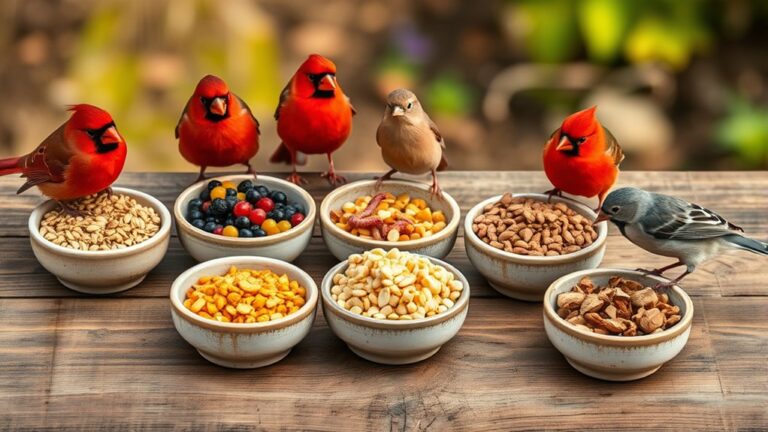
Bird feed includes seeds, nuts, fruits, and suet that provide essential nutrients like protein and fats for birds’ health.
To choose the right feed, match seed types to the local bird species you want to attract and adjust for seasonal needs like high-protein foods in spring or high-fat seeds in winter.
Keep feed fresh by storing it properly and cleaning feeders regularly.
Understanding these basics helps you support diverse, healthy birds throughout the year.
Key Takeaways
- Bird feed consists of seeds, grains, nuts, and fruits that provide essential nutrients like proteins, fats, and vitamins for bird health.
- Choose bird feed based on local bird species’ preferences, such as sunflower seeds for cardinals or nyjer for finches.
- Use seasonally appropriate feed, offering high-protein foods in spring and high-fat seeds in fall and winter for migration and warmth.
- Select quality feed brands with transparent ingredients. Store feed in airtight containers in cool, dry places to maintain freshness.
- Proper feeder choice and placement, along with regular cleaning, optimize bird attraction and prevent mold or pest contamination.
What’s in Bird Feed and Why It Matters
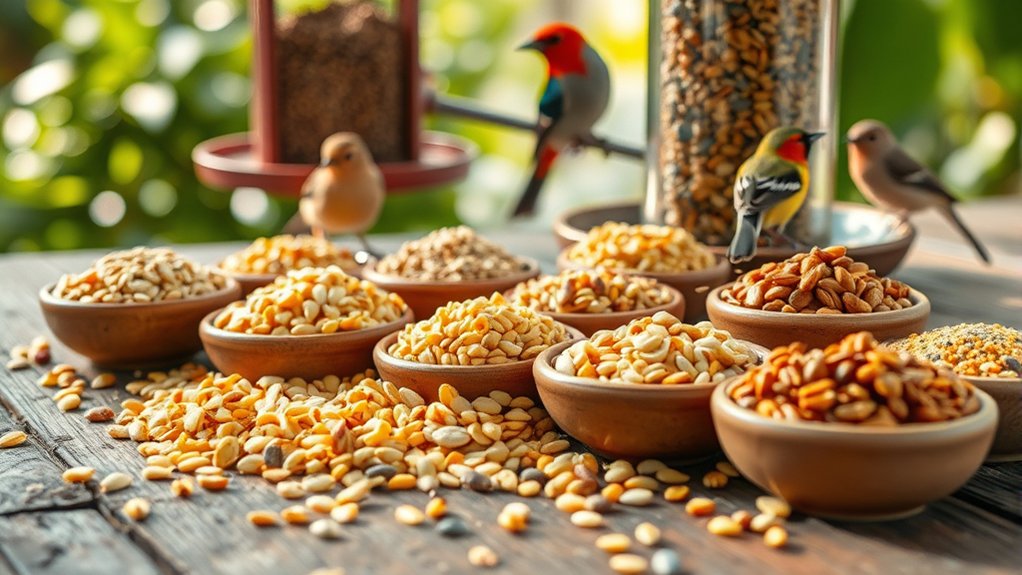
Because bird feed varies widely in ingredients, understanding what’s inside helps you pick the best option for the birds you want to attract. You’ll want to choose feed that supports bird health by providing essential nutrients like protein, fats, and vitamins. Different mixes contain various seeds, grains, and sometimes dried fruits or nuts, each serving specific dietary needs.
Pay close attention to the quality of the feed, since feed contamination can pose serious risks to birds. Moldy or spoiled feed can lead to illness, so always check for freshness and avoid bags with visible debris or moisture. Also, guarantee the feed comes from reputable sources to reduce contamination risks.
Which Seeds Attract Which Birds

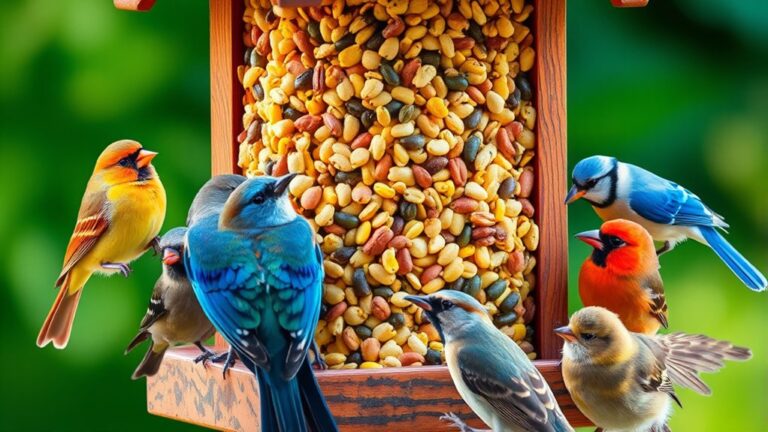
When you choose specific seeds, you directly influence which birds visit your feeder. Understanding seed varieties and bird preferences helps you attract the feathered friends you want. Different birds favor different seeds based on taste, size, and nutrition.
Here are three popular seed varieties and the birds they attract:
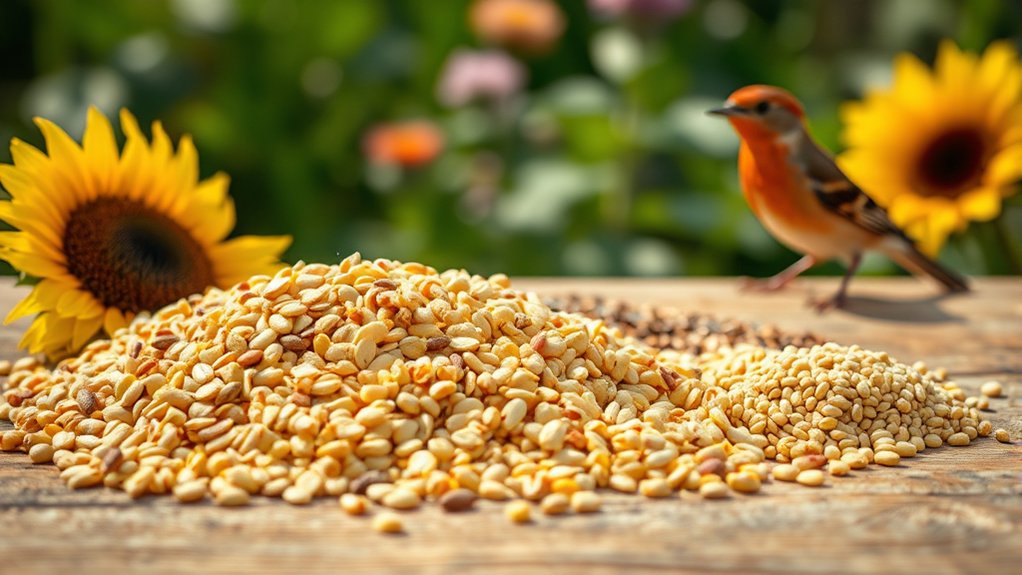
- Black oil sunflower seeds These are a favorite for many birds, including cardinals, chickadees, and nuthatches, because of their thin shells and high oil content.
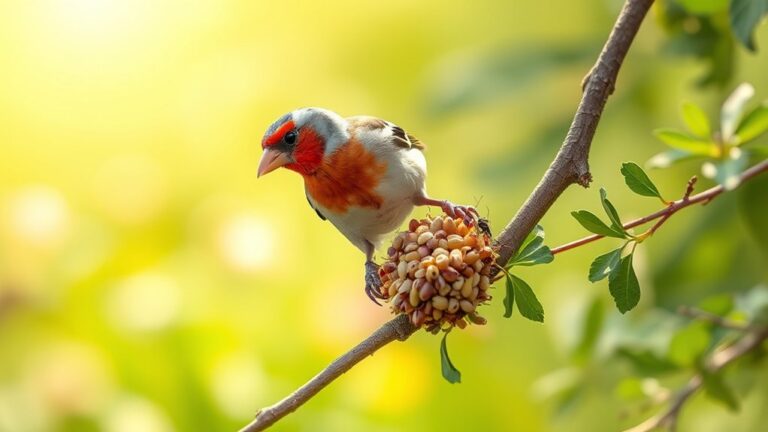
- Nyjer (thistle) seeds Perfect for finches like goldfinches and siskins, nyjer seeds are small and rich in oil, catering to these tiny birds’ preferences.
- Millet White proso millet appeals to ground-feeding birds such as sparrows, doves, and juncos, who prefer smaller, easy-to-handle seeds.
Why Suet, Nectar, and Other Feed Types Matter
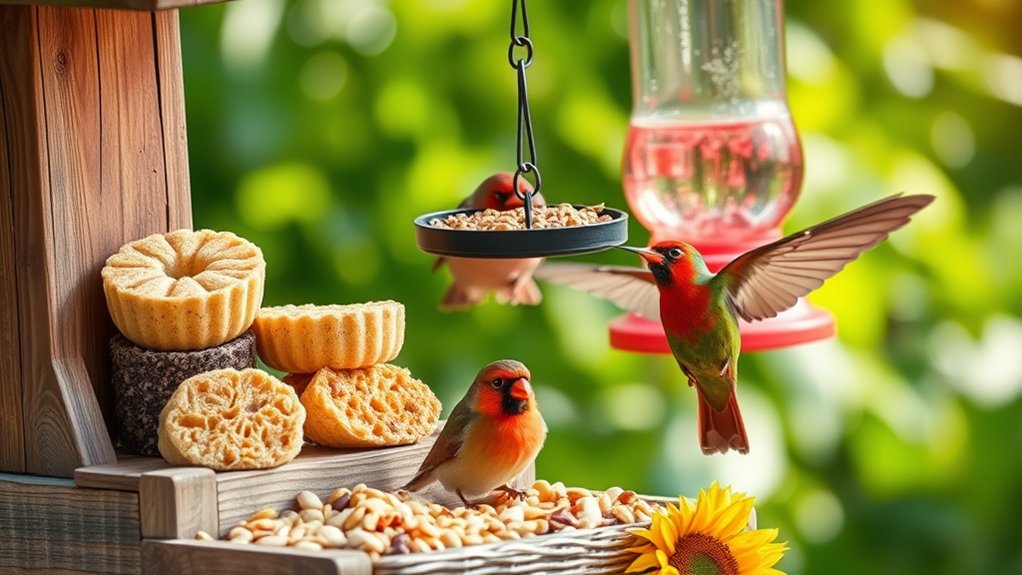
Choosing the right seeds certainly draws specific birds, but expanding the variety of feed you offer can attract even more species. Suet, nectar, and other feed types provide essential nutrients that different birds need, especially during changing seasons.
Suet supplies high-energy fat that helps birds maintain warmth and stamina, vital during migration periods when energy demands spike. Nectar appeals to hummingbirds and orioles, whose feeding behavior revolves around sugary liquids.
By offering multiple feed types, you accommodate diverse bird behavior and dietary needs. Some birds prefer insects or fruit, so providing suet or nectar mimics their natural food sources, encouraging longer visits.
Understanding migration patterns helps you time these offerings to support birds during critical times, like pre-migration fattening or post-migration recovery.
In short, diversifying your feed respects the natural habits of birds, making your feeder a hotspot for a wider range of species throughout the year.
How to Choose the Right Bird Feed for Your Local Birds
To attract the right birds, you need to match your feed to the species common in your area. Understanding bird migration patterns and local bird habitat helps you choose feed that appeals to visiting and resident birds alike. Begin by identifying which birds frequent your yard during various times of the year.
Matching your bird feed to local species and migration patterns attracts both visiting and resident birds.
Then, consider these steps:
- Research native birds and their preferred diets, such as seeds, nuts, or nectar.
- Select feed types that support the nutritional needs of local species, especially during migration when energy demands rise.
- Adapt feeders to your bird habitat, whether woodland, wetland, or urban, to mimic natural food sources.
How Bird Feed Needs Change With the Seasons
Matching your bird feed to local species sets a strong foundation, but you’ll need to adjust your offerings throughout the year to meet changing needs. During seasonal migration, many birds pass through your area, increasing the demand for high-energy foods like seeds and suet to fuel their journeys.
In spring and summer, birds focus on nesting and raising young, so you should provide protein-rich options such as mealworms or nuts. As fall approaches, birds prepare for colder months, requiring more fat and carbohydrate-dense feed.
Your feed frequency should also change with the seasons. In colder months, birds need more frequent feedings to maintain energy levels, especially when natural food becomes scarce. Conversely, in warmer seasons, you can reduce feed frequency since insects and berries are more abundant.
How to Pick Quality Bird Feed Brands
When you’re picking out a bird feed brand, it’s a good idea to see if they clearly list their ingredients. That way, you know exactly what you’re giving your feathered friends. You’ll also want to check if the feed offers good nutritional value.
It helps to compare the nutrient content to make sure it suits the type of birds you’re feeding. And don’t forget about the packaging—look for something that keeps the feed fresh and is easy to store. That way, your bird feed stays in great shape for longer.
Ingredient Transparency Matters
Although many bird feed options are available, finding a brand that clearly lists its ingredients guarantees you’re giving your feathered friends the best nutrition. Ingredient transparency helps you avoid bird feeding myths, like fillers that don’t support backyard biodiversity. When you know exactly what’s inside, you can choose feed that supports local species’ health and encourages a thriving ecosystem.
Here’s why it matters:
- Trustworthy sourcing Clear labels show you the brand’s commitment to quality and safety.
- Better bird health You avoid harmful additives or low-nutrient fillers.
- Support biodiversity Ingredients tailored to native birds help maintain your backyard’s natural balance.
Always opt for brands that openly share their ingredient list to nurture a vibrant, healthy bird community.
Nutritional Content Comparison
Knowing exactly what’s in your bird feed sets the stage for comparing nutritional content across brands. When choosing quality bird feed, focus on the seed variety each brand offers.
A diverse seed mix supports balanced bird nutrition by providing essential fats, proteins, and vitamins. Look for feeds that combine sunflower seeds, millet, safflower, and cracked corn, as these cater to a wide range of bird species.
Avoid brands that rely heavily on filler seeds like red millet, which offer little nutritional value. Also, check if the feed includes added nutrients or supplements to boost bird health.
Packaging And Storage
Since freshness directly affects bird feed quality, you’ll want to pay close attention to packaging and storage options. Quality brands focus on smart packaging design that keeps feed dry and pest-free.
Once you bring the feed home, proper storage containers are essential to maintain freshness and prevent contamination.
Here’s how to handle packaging and storage for the best results:
- Choose bird feed with airtight, resealable packaging to lock in freshness.
- Transfer feed into clean, dry storage containers made of plastic or metal with tight lids.
- Store containers in a cool, dry place away from sunlight and moisture to prevent mold and spoilage.
How to Store Bird Feed to Keep It Fresh
When you want to keep bird feed fresh, proper storage is key to preserving its nutritional value and preventing mold or pests. Start by choosing airtight containers made of metal or thick plastic to block moisture and insects effectively.
Store these containers in a cool, dry place away from direct sunlight to avoid heat damage. If you or nearby neighbors have bird feed allergies, make sure to keep the feed sealed tightly to reduce airborne particles.
Also, consider purchasing bird feed from sustainable sourcing to support eco-friendly practices and ensure higher quality. Avoid mixing old and new feed, as this can introduce contaminants and shorten shelf life.
Regularly check your stored feed for signs of mold or pests, and discard any affected portions immediately. By following these simple steps, you’ll maintain fresh, safe bird feed that attracts healthy birds while protecting your investment.
Common Mistakes to Avoid When Feeding Birds
Although feeding birds can be a rewarding hobby, you might unintentionally make mistakes that harm their health or reduce the effectiveness of your efforts. Paying attention to their bird diet and feeding frequency is essential to keep them healthy and coming back.
Here are three common mistakes to avoid:
- Offering inappropriate food: Feeding birds items outside their natural diet, like bread or junk food, can cause malnutrition or illness. Stick to seeds and feeds suited for local species.
- Overfeeding or underfeeding: Feeding frequency matters. Too much food can attract pests and create dependency, while too little won’t meet their nutritional needs. Aim to replenish feeders daily but avoid overflowing them.
- Neglecting feeder cleanliness: Dirty feeders promote mold and bacteria, risking bird health. Clean feeders regularly to prevent disease.
How to Set Up Feeders for Different Types of Bird Feed
Keeping your feeders clean and choosing the right food are just the first steps. You’ll want to focus on bird feeder placement to attract the right birds and keep them safe. For example, tube feeders filled with sunflower seeds work best when hung in open areas, allowing small songbirds to perch easily.
Platform feeders suit mixed seeds but should be placed near shrubs or trees for quick cover from predators. Suet feeders attract woodpeckers and should be mounted on tree trunks or poles.
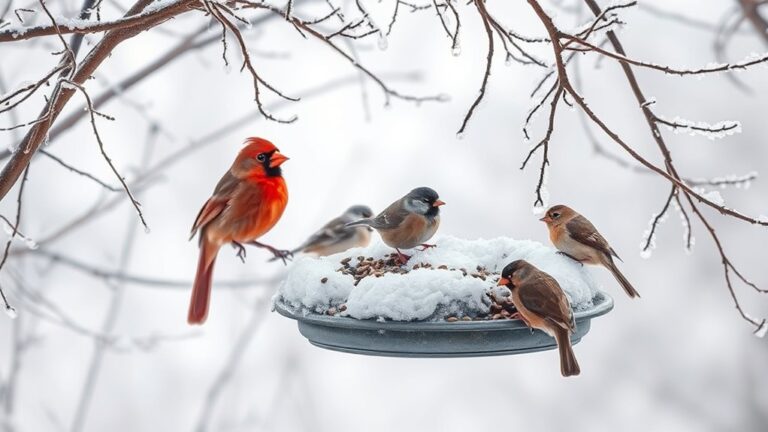
Seasonal feeding strategies matter, too. In colder months, concentrate feeders in sheltered spots to protect feed from snow and wind. During warmer seasons, avoid placing feeders in direct sunlight to prevent seed spoilage.
How to Adjust Your Bird Feed Choices Over Time
As seasons change and bird populations shift, you’ll need to modify your bird feed choices to meet their evolving needs. Bird migration plays a big role in which species visit your feeders, so tailoring your feed helps attract the right birds at the right time. You also want to take into account predator prevention to keep your feathered friends safe as they eat.
Here’s how to adapt your bird feed over time:
- Spring and Summer: Offer high-protein foods like mealworms and sunflower seeds to support breeding and fledgling growth.
- Fall: Switch to high-fat seeds such as safflower and nyjer to help birds build energy reserves before migration.
- Winter: Provide calorie-dense feed like suet and peanuts to help birds stay warm and survive harsh weather.
Adjusting your feed this way keeps your feeders inviting year-round and supports local bird populations effectively.
Frequently Asked Questions
Can Feeding Birds Affect Their Natural Foraging Behavior?
Yes, feeding birds can affect their natural foraging behavior. When you provide easy food sources, birds may rely less on their instinct to search for food, altering their bird diet and foraging habits.
This can reduce their ability to find diverse nutrients and affect their survival skills. To keep their natural behaviors intact, you should offer food sparingly and choose options that complement their natural bird diet without replacing it entirely.
Are There Any Risks of Feeding Birds Too Much?
Yes, overfeeding risks are real when you feed birds too much. You might unintentionally cause a nutritional imbalance since birds could rely too much on your feed and miss out on natural foods.
This can weaken their immune systems and disrupt their natural behaviors. To avoid this, you should offer moderate amounts and choose a variety of foods that support their health without replacing their essential foraging.
How Do Weather Conditions Impact Bird Feeding Habits?
Weather patterns and seasonal variations directly impact bird feeding habits. When you notice colder weather or harsher conditions, birds tend to visit feeders more often, seeking extra energy.
During mild seasons, they rely less on feeders since natural food is abundant. You’ll see changes in the types and amounts of feed birds prefer as seasons shift, so adjusting your offerings helps keep them nourished year-round.
Can Bird Feed Attract Unwanted Animals or Pests?
Bird feed can be a double-edged sword, acting like a welcome mat not just for birds but also for unwanted animals or pests. You need to manage wildlife displacement carefully, or you might unintentionally invite rodents or raccoons.
To protect your pets and maintain safety, choose feeders that minimize spillage and clean regularly. Doing so keeps your garden a safe haven for birds without turning it into a pest playground.
Is It Necessary to Clean Bird Feeders Regularly?
Yes, you should clean bird feeders regularly to protect bird nutrition and prevent feed contamination. Dirty feeders can harbor mold, bacteria, and fungi, which can harm birds and spread disease.
Conclusion
Feeding birds is a rewarding way to connect with nature, but remember, “variety is the spice of life.” By choosing the right feed and adjusting it with the seasons, you’ll attract a colorful mix of birds to your yard.
Keep your feed fresh, avoid common mistakes, and set up feeders thoughtfully. With a little care and attention, you’ll enjoy watching your feathered friends thrive all year long.
Choosing the right bird feed is key to making the most of your birdfeeding experience.