How to Improve Sandy Soil
If you’ve ever tried growing plants in sandy soil, you know how frustrating it can be. Sandy soil drains water quickly and often lacks the nutrients your plants need to thrive.
You’re not alone—many gardeners struggle with this common problem and wish there was an easy way to improve their soil’s texture and fertility.
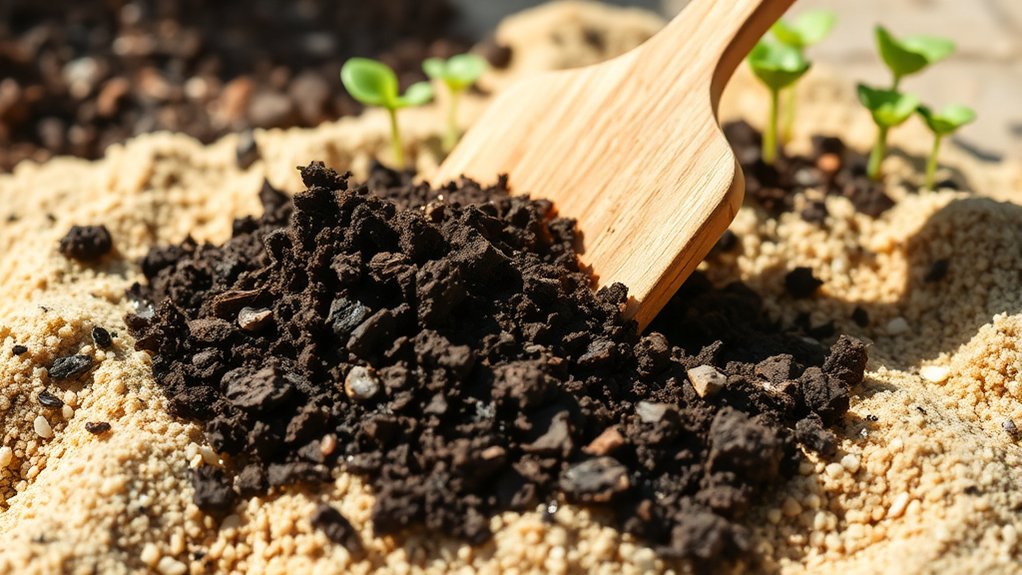
To improve sandy soil, you’ll want to add lots of organic matter, like compost, leaf mold, or well-rotted manure, to help it hold water and nutrients.
Mix a 2- to 3-inch layer into the top 6 to 8 inches, then mulch to reduce evaporation. Water deeply but less often so roots grow down.
If you test the soil first, you can fix pH and nutrient gaps more effectively, and there’s more you can do after that.
Key Takeaways
- Test your sandy soil first to check pH, texture, drainage, and nutrient deficiencies.
- Add 2 to 3 inches of compost or well-rotted manure and mix it into the topsoil.
- Improve moisture retention with coconut coir, biochar, or other organic matter additions.
- Water deeply but infrequently, and mulch 2 to 3 inches thick to reduce evaporation.
- Plant drought-tolerant, deep-rooted species and replenish organic matter every season.
What Makes Sandy Soil Hard to Grow In?
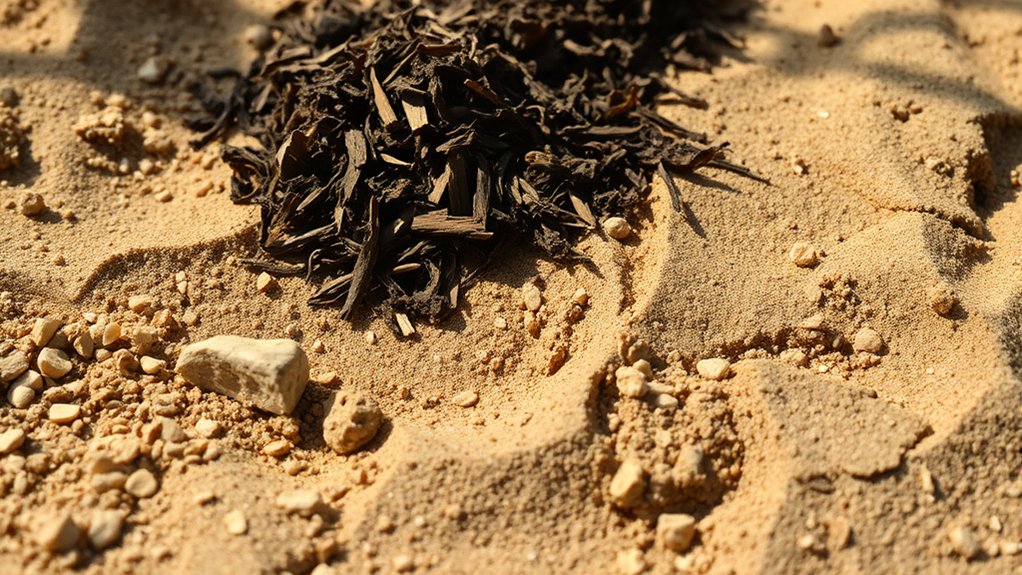
Sandy soil can be tough to grow in because it drains water fast, so roots don’t have much time to absorb moisture. You’ll notice plants wilt sooner after watering because the loose particles leave big spaces that let water rush through. That creates drainage issues for you when you want steady moisture around roots.
Sandy soil also holds fewer nutrients, so fertilizers and compost can slip beyond the root zone quickly. This nutrient leaching means you may feed plants more often, yet they still struggle to stay vigorous.
Sandy soil holds fewer nutrients, so fertilizers can wash past roots quickly, leaving plants underfed.
Because sandy soil warms and dries quickly, it can stress seedlings and shallow-rooted crops during hot weather. You might also find it harder to build rich, stable soil structure, since organic matter breaks down and moves away faster.
In short, sandy soil asks you to water, feed, and protect plants more carefully than heavier soils do.
Test Sandy Soil Before You Amend It
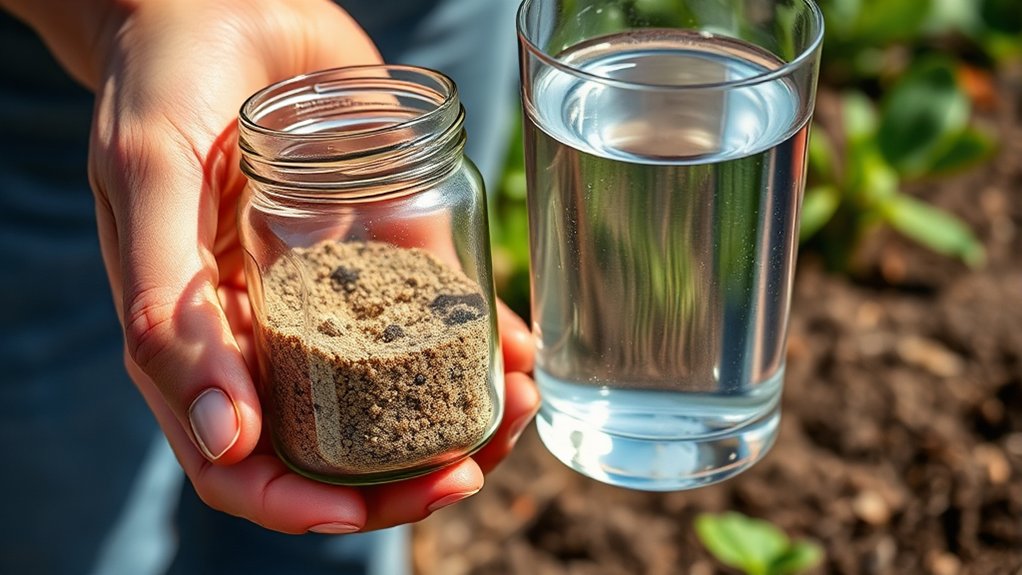
Before you add compost, mulch, or fertilizer, take a quick look at what your soil actually needs. Start with soil testing so you’re not guessing about pH, texture, or drainage. A simple home test kit can give you a basic snapshot, but a lab test offers a fuller nutrient analysis and more reliable results.
When you sample, pull soil from several spots in the same bed, mix them together, and follow the instructions carefully. This helps you avoid skewed results from one unusual patch. Once you know whether your sandy soil lacks nitrogen, phosphorus, potassium, or key micronutrients, you can make smarter choices and skip unnecessary products.
You’ll also learn if the pH is too high or too low for your plants. Testing first saves time, reduces waste, and helps you improve sandy soil with a plan that fits your garden instead of a one-size-fits-all fix.
Add Compost to Sandy Soil
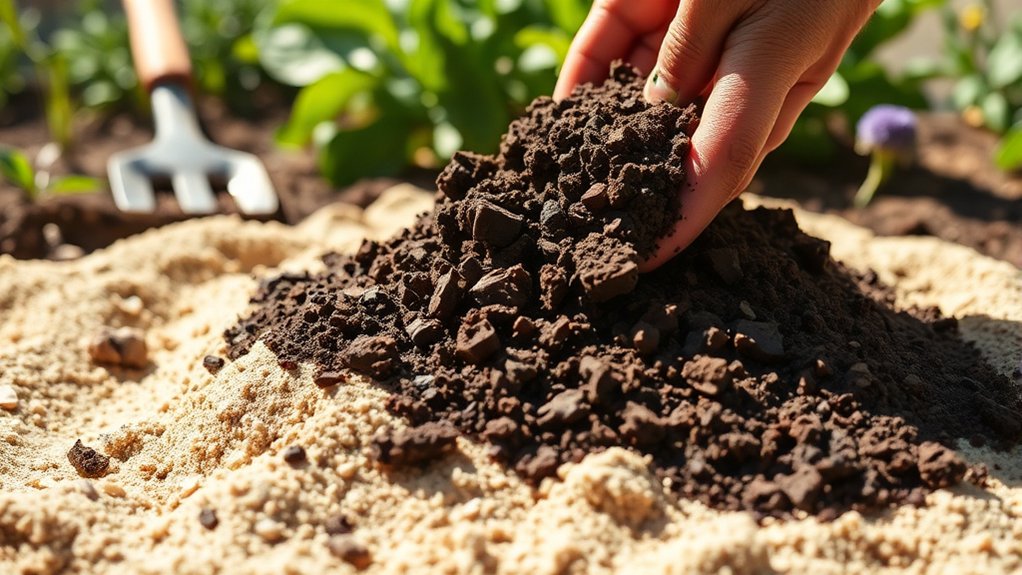
Adding compost is one of the best ways to improve sandy soil because it helps hold water, boosts nutrients, and supports healthy microbes. You can spread a 2- to 3-inch layer over the soil and mix it into the top few inches to start building better structure.
Make sure to use well-rotted compost, leaf mold, or other finished organic matter for the best results. This way, your soil will really benefit and become much more fertile over time.
Benefits Of Compost
When you add compost to sandy soil, you give it the organic matter it’s missing, which helps it hold moisture, nutrients, and beneficial microbes far better than sand alone. You’ll notice better nutrient retention because compost acts like a sponge, slowing leaching and keeping food available to roots longer.
Its compost benefits also include improved soil structure, so your soil feels less loose and more supportive for plants. As microbes break down the compost, they release nutrients in forms your plants can use, which encourages steadier growth.
Compost also helps buffer temperature swings, giving roots a more stable environment. Over time, you build healthier soil that supports stronger plants, deeper rooting, and better resilience during dry spells.
How To Apply
Spread a 2- to 4-inch layer of finished compost over the sandy soil, then mix it into the top 6 to 8 inches with a shovel, garden fork, or tiller. Work when the soil is moist but not soggy so you can blend it evenly without clumping.
After mixing, water lightly to help settle the compost into the root zone. You’ll improve soil structure, boost moisture retention, and create better drainage solutions without compacting the ground.
For best results, repeat this process each season or before planting new beds. Keep the compost layer even, and avoid leaving thick pockets on the surface.
As you add organic matter, your sandy soil will hold nutrients better and support stronger roots throughout the growing season.
Best Compost Types
For sandy soil, finished compost works best because it breaks down evenly and adds both organic matter and moisture-holding power. You should choose compost types that are fully decomposed, dark, crumbly, and earthy-smelling, because they blend into sand without creating hot spots or stealing nitrogen.
Compost benefits include better water retention, improved nutrient storage, and stronger soil structure, so your plants can root more deeply and survive dry spells. Well-aged yard waste compost, leaf mold, and manure compost that’s completely cured all work well.
Avoid fresh manure, raw kitchen scraps, or half-finished piles, since they can burn roots or attract pests. Mix the compost into the top 6 to 8 inches of soil, then water it in to help it settle and start improving your bed.
Choose the Best Sandy Soil Amendments
The best sandy soil amendments are ones that help your soil hold water, nutrients, and organic matter without turning heavy or compacted. You should choose materials that improve nutrient balance and strengthen soil texture over time.
Finished compost is a top choice because it adds stable organic matter and feeds soil life. Well-rotted manure can also boost fertility, but use it sparingly and only when it’s fully aged.
Finished compost enriches sandy soil with stable organic matter, while aged manure boosts fertility when used sparingly.
Coconut coir helps sandy soil retain moisture while keeping it loose, and biochar can improve long-term nutrient storage. Topsoil blends may seem helpful, but they often don’t fix the structure as well as organic amendments do.
Mix amendments into the top layer before planting so roots can access them easily. Reapply them each season to keep your soil productive.
Focus on steady improvement, not quick fixes, and you’ll build a richer, more resilient garden bed.
Use Mulch to Hold Moisture
Once you’ve improved sandy soil with compost or other amendments, mulch helps lock in the gains by slowing evaporation and shielding the surface from heat. You’ll get better moisture retention when you spread a 2- to 4-inch layer of organic mulching over bare ground around plants. Use shredded leaves, straw, pine needles, or bark chips, and keep the mulch a few inches away from stems and trunks so you don’t trap excess dampness against them.
Mulch also moderates soil temperature, reduces crusting, and limits wind from drying the top layer too quickly. As it breaks down, it adds a little more organic matter, which supports the soil structure you’ve started to build. Replenish the mulch when it thins, especially in hot, windy weather. If weeds pop through, pull them early so they don’t compete for what little water the sandy soil holds.
With steady mulch cover, you’ll protect your improvements and help plants stay healthier between rains.
Water Sandy Soil the Right Way
Water sandy soil deeply, but not too often. This way, the moisture can reach the roots instead of just drying out at the surface. Let the water soak in slowly. Then, wait until the soil starts to dry before watering again.
Also, keep mulch in place to help hold that moisture longer. This will reduce how often you need to water.
Deep, Infrequent Watering
Because sandy soil drains quickly, you’ll get better results by watering deeply but less often so moisture reaches the root zone instead of vanishing from the surface. Use efficient irrigation methods that soak the soil 6 to 8 inches down, then pause until the top layer dries.
Test your watering with a trowel or moisture probe, and adjust for weather and plant size. Good drainage techniques help prevent runoff while still delivering enough water where roots need it.
| Plant type | Water depth | Frequency |
|---|---|---|
| Seedlings | 4 in. | Often |
| Vegetables | 6 in. | Weekly |
| Shrubs | 8 in. | Less often |
This approach trains roots to grow downward, making plants sturdier and less dependent on frequent watering.
Mulch to Retain Moisture
A 2- to 3-inch layer of mulch helps sandy soil hold moisture longer by shading the surface and slowing evaporation. You can use shredded bark, straw, compost, or leaf mold to boost moisture retention and protect roots from heat.
Keep mulch a few inches away from stems and trunks so you don’t trap excess moisture against them. Refresh it as it breaks down, since sandy soil drains fast and mulch benefits fade when the layer gets thin.
Water deeply first, then mulch to lock in that water and reduce runoff. If you garden in a windy or sunny spot, mulch also limits crusting and temperature swings.
With steady coverage, you’ll water less often and help your plants stay healthier between soaking.
Mix in Organic Matter Regularly
Regularly mixing in organic matter is one of the best ways to improve sandy soil’s structure and water-holding capacity. When you add compost, leaf mold, or well-rotted manure, you give the soil more tiny particles that bind sand grains together. That helps the soil hold moisture longer and makes nutrients available to roots.
Regularly add compost or leaf mold to sandy soil to improve structure, hold moisture, and nourish roots.
You can also work in organic fertilizers to feed microbes and support better soil structure over time.
- Spread a 2- to 3-inch layer over the bed.
- Work it into the top 6 to 8 inches of soil.
- Reapply each season to keep building fertility.
Keep the process simple and steady. You’ll see sandy ground become easier to water, easier to manage, and far less quick to dry out. Avoid digging too deeply, since you want to protect the layers you’ve improved.
Pick Plants That Thrive in Sandy Soil
Choose plants that naturally handle dry, fast-draining conditions, since they’ll settle into sandy soil much more easily than moisture-loving varieties. You’ll save time and water when you match your garden to the site instead of fighting it.
Look for drought resistant plants and native species, because they usually root deeply, tolerate heat, and need less pampering once established.
| Plant Type | Benefit | Example |
|---|---|---|
| Perennials | Long bloom, low care | Coneflower |
| Shrubs | Structure and resilience | Beach plum |
| Groundcovers | Soil coverage, erosion control | Thyme |
You can also add ornamental grasses, lavender, sedum, and yarrow for reliable color and texture. Group plants with similar water needs, then place the toughest choices in the sunniest spots.
When you pick species suited to sand, you’ll create a garden that looks good, grows steadily, and asks for less from you all season.
Adjust Sandy Soil for Lawns and Garden Beds
For lawns and garden beds, sandy soil usually needs help holding water and nutrients. Start by working in organic matter like compost, leaf mold, or well-rotted manure. Mix it into the top 6 to 8 inches to improve texture and give roots a better home.
If you want a lawn, topdress with compost before overseeding or laying sod. For beds, blend in natural fertilizers that release nutrients slowly without washing away. Use soil testing to check pH and nutrient levels before you add amendments, so you don’t guess.
Water can sink fast, so shape beds to catch moisture. Mulch around plants to reduce evaporation and protect roots. Recheck soil after a season so you can fine-tune your plan.
When you adjust sandy soil this way, you create a steadier growing space for grass, flowers, and vegetables. You’ll see stronger growth with less stress.
Maintain Sandy Soil for Long-Term Results
To keep sandy soil working well over time, you’ll need to replenish what water and nutrients can quickly wash away. Keep adding compost, leaf mold, or aged manure each season to support soil fertility and strengthen nutrient retention.
Mulch beds with straw, wood chips, or shredded leaves so you slow evaporation and reduce erosion. Water deeply, but less often, so roots grow downward instead of staying shallow.
Test your soil yearly and adjust pH or nutrients before problems spread. Rotate crops, and avoid tilling too much because disturbance breaks down structure fast.
| Task | Benefit | Timing |
|---|---|---|
| Add organic matter | Improves soil fertility | Spring, fall |
| Apply mulch | Boosts nutrient retention | After planting |
| Water deeply | Encourages deep roots | Weekly |
| Test soil | Guides amendments | Yearly |
When you stay consistent, your sandy soil holds moisture better, feeds plants longer, and keeps producing strong results year after year.
Frequently Asked Questions
How Often Should I Retest Sandy Soil After Amending It?
You should retest sandy soil every 1 to 2 years after amending it, or sooner if plants still struggle. Use soil testing to track nutrient levels and see whether your changes are working.
If you add lots of compost, fertilizer, or organic matter, check sooner. Sandy soil changes quickly, so you’ll catch problems early and adjust your care before deficiencies or pH issues hurt growth.
Can Sandy Soil Be Improved Without Tilling?
Yes, you can improve sandy soil without tilling, and you’ll keep the ground from becoming too airy. You can topdress with compost, leaf mold, or other sandy soil amendments, then let worms and rain do the mixing for you.
Add mulch to boost soil moisture retention, and use cover crops or drip irrigation to support roots. Over time, your soil can hold water better without much disturbance.
What Tools Help Spread Compost Evenly in Sandy Soil?
You can use compost spreaders to lay compost in a thin, even layer across sandy soil. A wheelbarrow, shovel, and rake also help you distribute and level it quickly.
If you want to mix compost deeper, use soil aerators to open the ground and improve coverage. For small areas, a garden fork works well too.
You’ll get better results if you spread compost after watering lightly.
Should I Amend Sandy Soil Differently in Raised Beds?
Yes, you should amend sandy soil a bit differently in raised beds because they dry out and drain faster. You’ll want richer raised bed amendments, like compost, aged manure, and coconut coir, to boost nutrient retention.
Mix amendments thoroughly through the top 8 to 12 inches, then top-dress each season. You can also add mulch to slow evaporation and keep nutrients from washing away.
How Do I Know if My Mulch Layer Is Too Thick?
Your mulch layer’s too thick if it stays soggy, smells sour, or mats down and blocks water. About 2 to 4 inches usually gives you mulch benefits without smothering roots. You should still see soil, not a blank blanket.
Pull it back from stems and check for slimy layers or fungus. If you can sink a finger easily, you’re probably fine; if not, thin it out.
Conclusion
Improving sandy soil isn’t a one-time fix; it’s a steady habit. You can build a richer, more moisture-friendly garden by adding compost, using mulch, and working in organic matter regularly.
Choose plants that don’t mind lean, fast-draining ground, and you’ll give your beds a fighting chance. Like a patient sculptor shaping clay, you’ll turn loose sand into living soil that holds water, nutrients, and promise season after season.
With consistent care and attention, improving sandy soil becomes a rewarding process that transforms your garden into a thriving, vibrant space.