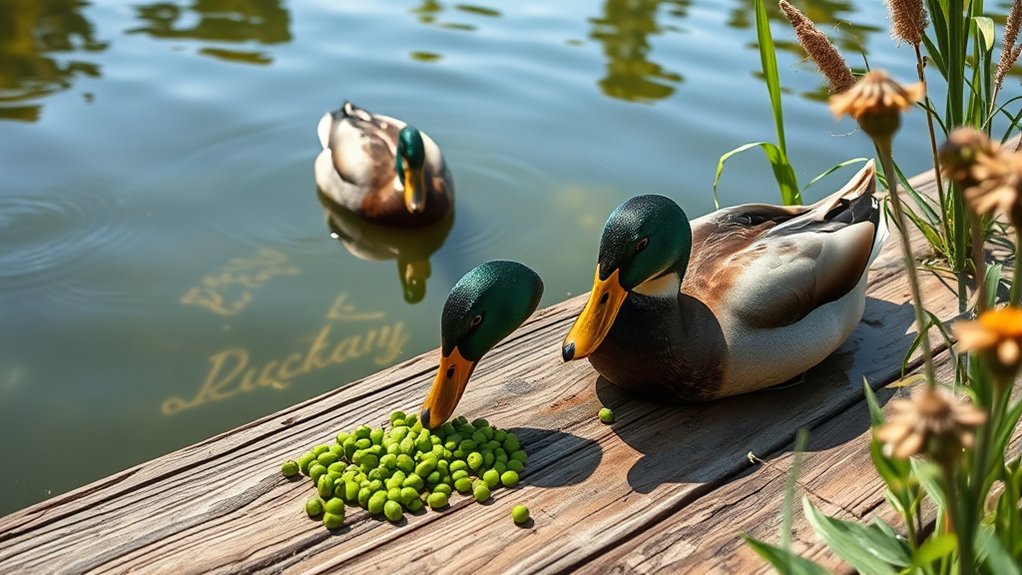
Is It Ok to Feed Ducks Bread Safely?
Feeding ducks can be a joyful way to connect with nature, but many people struggle with knowing what’s actually safe and healthy to give them. You’re not alone if you’ve wondered whether it’s okay to feed ducks bread without harming their health or the environment. It’s a common question for anyone who loves watching these charming birds up close.
You can feed ducks bread, but you’ll want to do it carefully and in moderation. Bread lacks the nutrients ducks need and can cause health problems like malnutrition and wing deformities if overfed.
Always scatter small amounts away from busy areas, avoid leftover bread buildup, and pick healthier options like oats or peas when possible. Is It Ok to Feed Ducks Bread. Taking these steps protects both the ducks and their environment.
Keep exploring to uncover better feeding habits and how to care for these wild birds safely.
Key Takeaways
- Feeding ducks bread occasionally is common but not ideal because it has poor nutritional value and can pose health risks.
- Overfeeding bread may cause malnutrition, angel wing, and disrupt ducks’ natural behaviors and migration.
- Leftover bread pollutes water, promotes harmful algae growth, and harms aquatic ecosystems.
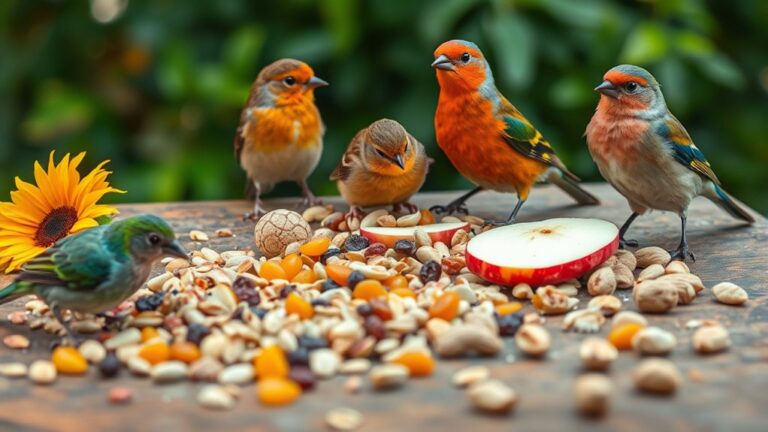
- Healthier alternatives include cracked corn, oats, birdseed, and chopped vegetables like peas or lettuce.
- Feed ducks in moderation, scatter food on the ground or water surface, and always clean up leftovers to protect wildlife and habitats.
Why We Feed Bread to Ducks
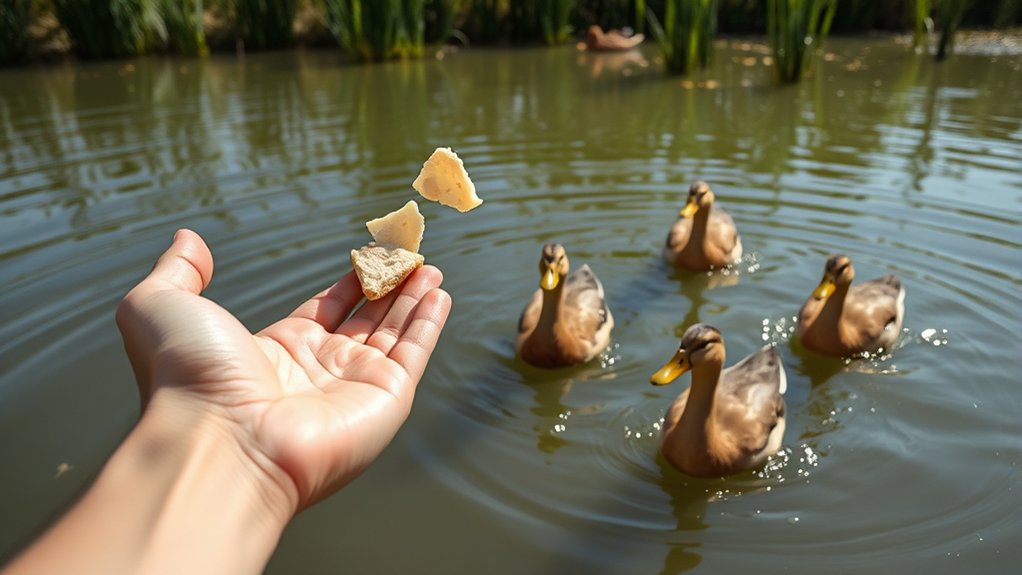
Although bread isn’t the healthiest option, many people feed it to ducks because it’s easy to find and share. When you visit parks or ponds, offering bread feels like a simple way to connect with wildlife.
Feeding ducks bread is common because it’s accessible and offers a simple way to engage with nature.
During bird migration, ducks travel long distances, and you might notice increased activity in certain areas as they rest and refuel. Your bread can seem like a quick snack to them during these times.
Seasonal behaviors also influence when ducks gather in larger numbers, making feeding more common and appealing to you and others. You want to help, especially when you see these birds in colder months or during migration peaks, thinking you’re supporting their energy needs.
Feeding bread has become a cultural habit linked to these visible patterns, even if it’s not ideal nutrition. Understanding why people feed bread helps you appreciate the connection between human actions and bird behaviors during migration and throughout the seasons.
Is It Safe to Feed Bread to Ducks?
You might be wondering if it’s really safe to feed bread to ducks. At first glance, bread seems pretty harmless, right? But actually, it doesn’t have the nutrients ducks need and can end up causing them some health problems. So, let’s take a closer look at why it’s better to choose healthier options when feeding ducks.
Nutritional Value Concerns
When you feed bread to ducks, it may seem harmless, but it lacks the essential nutrients they need to stay healthy. Bread is mostly empty calories, offering little protein, vitamins, or minerals.
Over time, relying on bread can lead to nutritional deficiencies, as ducks miss out on the balanced diet they require. This dietary imbalance can stunt their growth and weaken their immune systems.
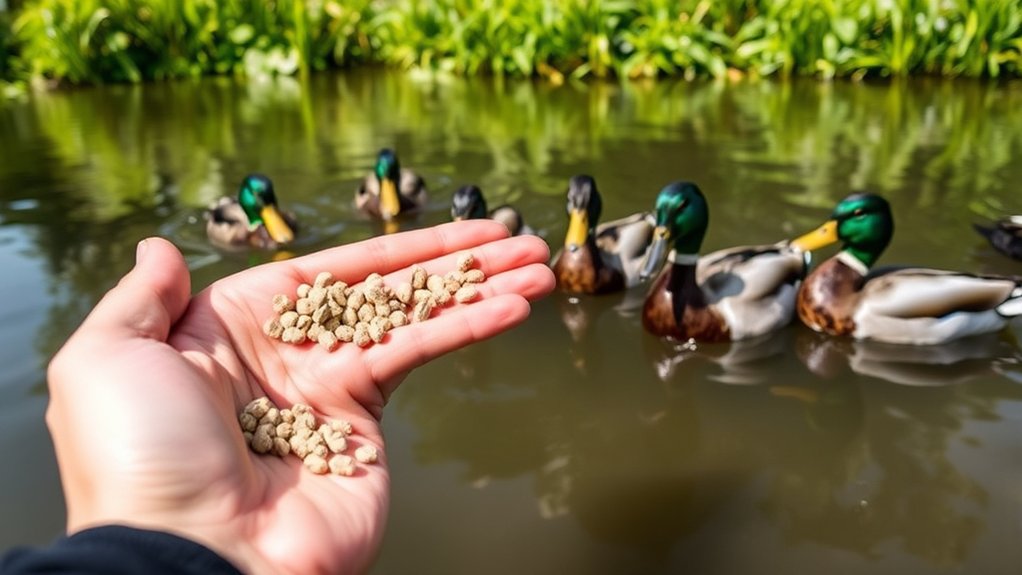
If you want to help ducks thrive, choose foods that provide proper nutrition, such as cracked corn, peas, or duck pellets. These options support their natural diet better and prevent the problems caused by bread’s poor nutritional value.
Being mindful of what you feed ducks guarantees they get the nutrients they need to flourish.
Health Risks for Ducks
Since bread lacks proper nutrients, feeding it to ducks can cause serious health problems. When you offer bread, the ducks’ diet becomes unbalanced because bread ingredients like refined flour and yeast provide empty calories without essential vitamins or minerals. This can lead to malnutrition, weakening their immune systems and making them vulnerable to diseases.
Over time, too much bread can cause a condition called “angel wing,” where ducks’ wings deform, preventing them from flying. Furthermore, leftover bread can pollute water, encouraging harmful bacteria and algae growth, which threatens the ducks’ environment and health.
Safer Feeding Alternatives
Although many people enjoy feeding bread to ducks, it’s important to know there are much safer and healthier alternatives you can offer. Proper feeding etiquette helps support ducks during migration and keeps their environment clean. Instead of bread, try providing foods that mimic their natural diet and promote better health.
| Alternative Food | Benefits |
|---|---|
| Cracked corn | High energy, easy to digest |
| Oats (uncooked) | Fiber-rich, natural grain |
| Birdseed | Nutrient-dense, non-toxic |
| Chopped vegetables | Vitamins and hydration |
How Bread Affects Ducks’ Health and Behavior
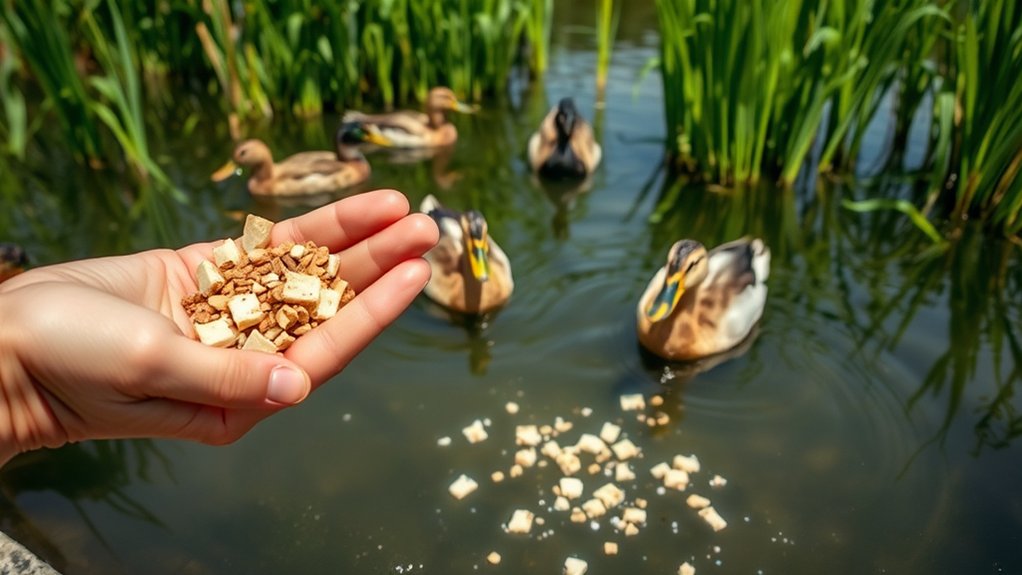
If you’ve ever tossed bread to ducks, you might not realize how it impacts their health and behavior. Bread lacks the essential nutrients ducks need, which can lead to malnutrition and weakened immune systems. This poor diet can affect their feather coloration, making their plumage dull and less vibrant.
Feeding ducks bread can cause malnutrition and weaken their immune systems, dulling their feathers.
Since feathers play a key role in insulation and waterproofing, dull feathers can compromise their ability to stay warm and dry.
Moreover, feeding bread regularly can disrupt ducks’ migration patterns. When ducks rely on human-provided food, they may delay migration or stay in unsuitable habitats longer, which can affect their survival during harsh weather.
You might also notice that ducks become more aggressive or dependent on handouts, altering their natural foraging behavior. So, while feeding bread seems harmless, it can have significant consequences on ducks’ health and natural behaviors you might not expect.
How Feeding Bread Harms the Environment
When you feed ducks bread, leftover crumbs often end up polluting the water. This can encourage harmful algae to grow. That kind of pollution messes with the natural balance of the ecosystem, which affects both plants and animals. Knowing how this happens can help you make better choices for the environment.
Water Pollution Impact
Feeding ducks bread might seem harmless, but it can quickly lead to water pollution that harms both wildlife and their habitats. When bread is left uneaten, it decomposes in the water, increasing nutrient levels that promote harmful algae growth.
This algae reduces oxygen in the water, making it difficult for fish and other aquatic creatures to survive. You might not realize it, but this disruption affects urban habitats where ducks live, putting stress on local ecosystems.
Supporting wildlife conservation means avoiding practices that degrade water quality. By feeding ducks bread, you unintentionally contribute to pollution that threatens not only the ducks but also other species relying on clean water.
Choosing healthier alternatives helps protect these environments and supports the balance in urban wildlife habitats.
Disrupting Natural Ecosystems
Although offering bread to ducks may seem like a kind gesture, it disrupts natural ecosystems by altering their feeding habits and nutrient cycles. When you feed ducks bread, you encourage them to rely on an unnatural food source, which can lead to malnutrition and overpopulation.
This disrupts the ecosystem balance, affecting not only ducks but other wildlife that depend on natural food chains. Excess bread often rots, promoting algae growth that harms water quality and aquatic life.
Better Alternatives to Bread for Feeding Ducks
Since bread offers little nutritional value and can harm ducks, you’ll want to choose healthier options that support their well-being. During ducks’ migration, proper nutrition is essential to maintain energy levels and support their long journeys.
Feeding them foods rich in vitamins and minerals helps preserve their feather coloration, which is critical for attracting mates and camouflage. Instead of bread, try offering cracked corn, oats, or birdseed mixes. These options provide essential nutrients without the risks associated with processed carbs.
Offering cracked corn, oats, or birdseed supports vibrant feathers and healthy ducks without the dangers of processed carbs.
You can also feed ducks chopped vegetables like peas, lettuce, or corn kernels, which mimic their natural diet and boost health. Avoid anything salty, sugary, or moldy. By choosing these alternatives, you help ducks stay strong and vibrant throughout migration seasons.
This not only benefits individual ducks but also supports the overall ecosystem by encouraging natural feeding habits and reducing pollution caused by leftover bread.
How to Feed Ducks Safely and Responsibly
When you offer food to ducks, you should do so thoughtfully to protect their health and the environment. Choose natural, nutritious options like cracked corn, oats, or birdseed instead of bread. These foods support ducks’ migration by providing essential energy without harmful additives. Always feed ducks in moderation to avoid disrupting their natural foraging habits.
Make sure to scatter food on the ground or water surface, allowing ducks to eat naturally and avoid overcrowding. Avoid feeding near busy roads or polluted waters to keep them safe. Observe the ducks’ feather coloration; healthy, vibrant feathers indicate good nutrition and overall well-being. Feeding responsibly helps maintain their natural behaviors, supporting their seasonal migration patterns and survival.
How to Tell If Ducks Are Eating Too Much Bread
You’ll want to keep an eye out for signs that ducks are eating too much bread. For example, if you notice leftover bread piling up or the ducks seem sluggish and less active, that could be a clue. Feeding them too much bread isn’t just a waste—it can actually cause health problems like malnutrition and digestive issues. So, knowing these warning signs is really helpful to make sure the ducks stay healthy and happy.
Signs Of Overfeeding
Although feeding ducks bread can be a fun activity, overfeeding them can cause health issues and disrupt their natural diet. You can often spot signs of overfeeding by observing changes in duck behaviors.
If you notice ducks lingering too long in one spot or becoming overly aggressive during feeding, it could indicate they’re being fed too much. Also, watch their feeding habits. If they start ignoring natural food sources or appear lethargic after eating, it’s a red flag.
Excessive bread can fill them up without proper nutrients, causing them to eat less of what they need. By paying close attention to these behavioral and feeding habit changes, you can help guarantee ducks stay healthy and maintain a balanced diet.
Health Risks For Ducks
If ducks eat too much bread, they can develop serious health problems that affect their growth and well-being. Overconsumption leads to malnutrition because bread lacks essential nutrients ducks need.
This can cause a condition called “angel wing,” which deforms their wings and hinders bird migration, reducing their survival chances. You might notice ducks behaving lethargically or looking overweight, signs they’re eating too much bread.
Feeding ducks excessive bread also harms water quality, disrupting local ecosystems and complicating wildlife conservation efforts. To protect ducks and support healthy bird migration, you should limit bread feeding or offer healthier alternatives like grains, peas, or chopped greens.
Cleaning Up After Feeding Ducks Bread
When you finish feeding ducks bread, taking a moment to clean up helps protect their environment and keeps the area safe for other wildlife. Uneaten bread can attract pests and pollute water, disrupting the delicate balance around ducks’ nesting areas. By gathering leftover bread and trash, you prevent harm to the ducks and maintain a cleaner habitat.
Good feeding etiquette means being mindful not only of what you feed but also how you handle the aftermath. Avoid tossing large amounts of bread that won’t be eaten, and always pick up any packaging or scraps you brought along. This respect for the environment supports the ducks’ natural behaviors and reduces risks linked to spoiled food near their nests. Your simple actions ensure that feeding remains a positive experience for the ducks and everyone enjoying the area.
Tips for Enjoying Feeding Ducks Without Harm
To enjoy feeding ducks without causing harm, you need to choose appropriate foods and feed them responsibly. Instead of bread, offer healthy treats like cracked corn, oats, or birdseed, which support their nutrition and natural diet.
Be mindful not to overfeed, as excessive food can disrupt their feeding patterns during bird migration and affect their energy reserves. When feeding ducks, scatter food in small amounts to prevent crowding and allow them to forage naturally.
Avoid overfeeding ducks to support their natural foraging and maintain healthy migration energy reserves.
This helps maintain their feather coloration, which is vital for insulation and attracting mates. Avoid feeding near nesting sites to minimize stress on the ducks.
Always clean up leftover food and trash to protect the environment and prevent water pollution. By following these tips, you’ll enjoy watching ducks thrive while contributing to their well-being and preserving the ecosystem they depend on during migration seasons.
Feeding ducks thoughtfully ensures they stay healthy and vibrant year-round.
What to Do If Ducks Eat Too Much Bread
How can you help ducks recover after they’ve eaten too much bread? First, understand that bread lacks the nutrients ducks need, disrupting their natural diet. To support their recovery, avoid feeding them bread altogether and instead offer healthier alternatives like cracked corn, oats, or birdseed, which better align with ducks’ diet. Make sure to practice proper feeding etiquette by spreading small amounts of these foods in open areas, preventing overcrowding and competition.
If you see ducks struggling after consuming too much bread, contact local wildlife or animal rescue organizations for advice. Avoid trying to force-feed or provide inappropriate foods, as that can worsen their condition. Remember, the best way to help is by preventing overfeeding bread in the first place. By respecting feeding etiquette and offering nutritious options, you support ducks’ health and natural foraging behavior, helping them stay strong and balanced in their environment.
Frequently Asked Questions
Can Feeding Bread to Ducks Cause Allergies in Humans?
Feeding bread to ducks won’t directly cause allergies in humans, but you should be cautious. Moldy bread can trigger allergic reactions or respiratory issues if inhaled or touched.
Also, bread’s poor nutritional impact on ducks leads to behavioral changes like overpopulation and aggression. This might increase your exposure to droppings or other allergens.
Do Ducks Prefer Bread Over Natural Food Sources?
You might think ducks prefer bread over natural food sources, but that’s as unlikely as finding a unicorn in your backyard. Ducks often peck at bread because it’s easy to grab, but they don’t truly prefer it.
Feeding bread regularly can cause nutritional deficiencies and lead to behavioral changes, such as dependency on humans for food. You should encourage ducks to eat their natural diet to keep them healthy and wild.
How Often Do Wild Ducks Encounter Bread in Urban Areas?
You’ll find wild ducks often encounter bread frequently in urban feeding habits because bread availability is high near parks and ponds where people gather. Urban areas see regular feeding events, so ducks get bread more than in natural settings.
You should know this constant exposure can impact their diet and health, so it’s good to contemplate alternative, healthier feeding options when you’re around urban waterfowl.
Are Certain Types of Bread Safer for Ducks Than Others?
Yes, some types of bread are safer for ducks than others, but it’s still not ideal. Whole grain or whole wheat bread has a better nutritional impact compared to white bread, providing more fiber and nutrients.
However, feeding ducks bread regularly can cause behavioral changes, like dependency on humans and reduced foraging skills. You should limit bread feeding and opt for healthier alternatives like seeds or vegetables to support their natural diet and behavior.
Can Feeding Bread to Ducks Attract Predators?
Of course, feeding bread to ducks is a perfect way to invite unwanted guests like predators right to their doorstep. You might not want to think about urban pollution, but bread crumbs do contribute, attracting more birds and causing bird habituation.
This means ducks lose their natural fear, making them easier targets. So, while you’re trying to be kind, you could be putting ducks in harm’s way without even realizing it.
Conclusion
Feeding ducks bread might seem like tossing a simple gift, but it’s more like offering a shiny trap. When you choose better foods, you’re planting seeds of health and harmony, letting ducks swim free like ripples in a clear pond.
Remember, your care can be a gentle breeze, not a storm. So, feed wisely and watch nature’s rhythm thrive, one mindful crumb at a time. Is it ok to feed ducks bread safely? The answer lies in choosing the right treats to keep them healthy and happy.