How to Start a Vegetable Garden in 10 Steps
Starting a vegetable garden can feel overwhelming, especially if you’re not sure where to begin. You’re not alone—many people struggle with choosing the right spot, picking suitable plants, and knowing how to care for them. How to Start a Vegetable Garden in 10 Steps.
But with a little guidance, growing your own fresh veggies can be simple and rewarding.
Start by choosing a sunny spot with good drainage, then test your soil and mix in compost to improve it.
Next, plan your layout, pick vegetables suited to your climate, and gather basic tools.
Plant at the right depth and spacing, water deeply in the morning, and feed plants as they grow.
Keep weeds and pests down with mulch and rotation, then harvest at peak ripeness.
Follow along, and you’ll learn each step in more detail.
Key Takeaways
- Choose a sunny, well-drained garden spot with good access for watering, tools, and easy observation.
- Test your soil, then improve it with compost or amendments to boost fertility and drainage.
- Plan your layout by matching vegetables to space, sunlight, and crop rotation needs.
- Pick vegetables suited to your climate and gather basic tools like a trowel, shears, and watering hose.
- Plant correctly, water deeply, feed regularly, and manage weeds and pests to harvest healthy crops.
Choose the Best Garden Spot
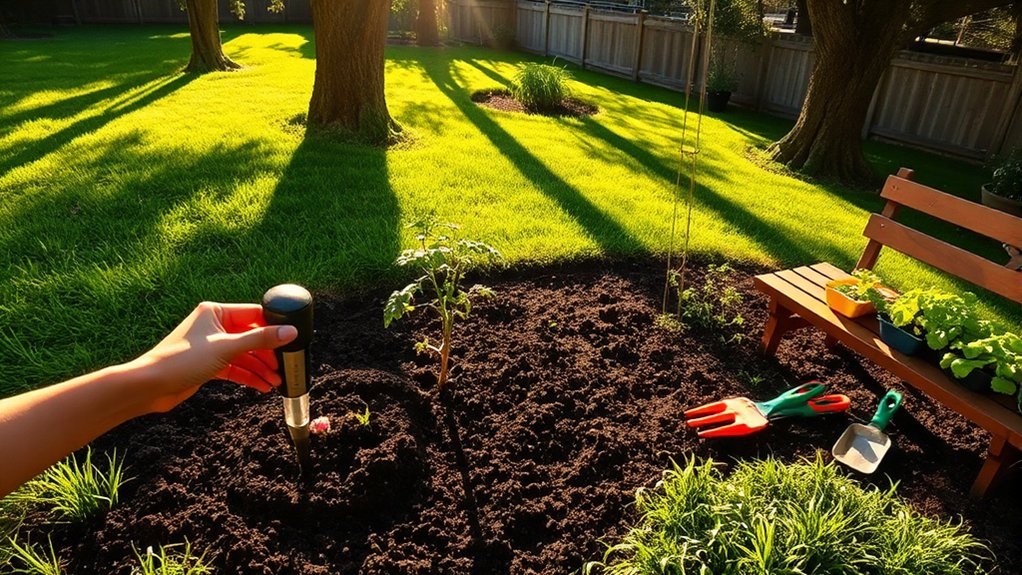
Before you plant a single seed, take a good look around your yard and choose a spot that gets plenty of sun, drains well, and is easy to water and reach. You’ll save time later if you pick a place close to your tools and path, with enough room for beds or rows.
Notice nearby trees, fences, and buildings that could cast shade or block airflow. Think about garden aesthetics too, because a tidy, visible plot helps you stay motivated and spot problems fast.
Notice nearby trees, fences, and buildings that may cast shade or block airflow, and choose a tidy, visible plot.
If you plan companion planting, leave space for garden companions that support each other and fit your planting schedules. Seasonal planting works best when you can move efficiently through the garden, and crop rotation is simpler when you have flexible space.
You can also position herbs or flowers as pest deterrents near vulnerable crops. Watch soil moisture patterns after rain, so you don’t choose a spot that stays soggy or dries out too quickly.
Test and Improve Your Soil
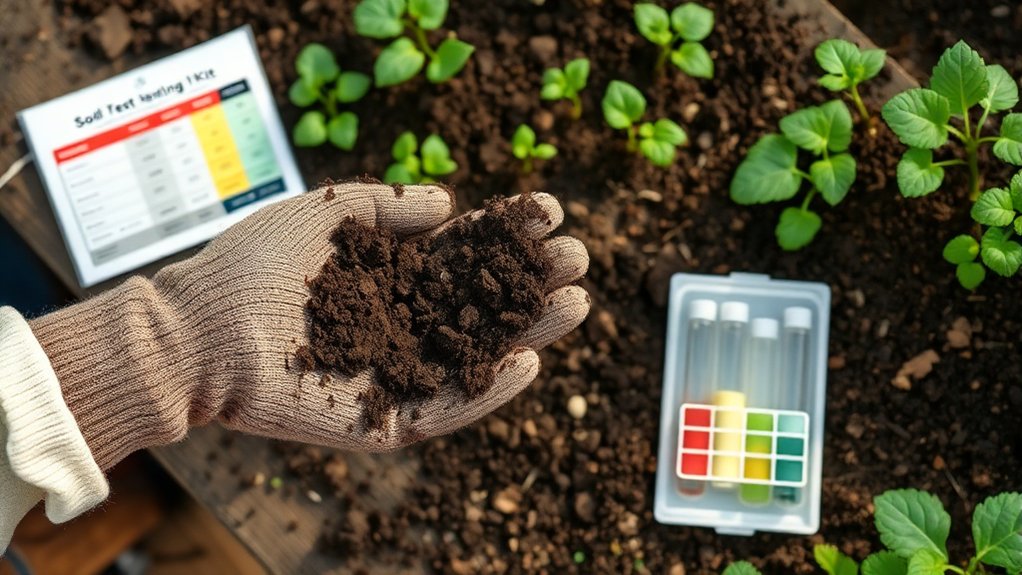
Test your soil pH first—that way, you’ll know exactly what your vegetables need to grow strong and healthy. After that, go ahead and mix in some organic matter like compost. It’s a great way to add nutrients and improve overall soil health.
If you notice water pooling after it rains, don’t worry. You can fix that by improving drainage with raised beds, adding sand, or simply incorporating more organic material into the soil.
Test Soil pH
Even healthy-looking soil can hide problems, so you should check its pH before you plant. Use a simple home test kit or send a sample to your local extension office.
Most vegetables grow best when pH levels stay between 6.0 and 7.0, because that range helps roots absorb nutrients well. If your test shows soil that’s too acidic or too alkaline, you can choose the right soil amendments to correct it.
Follow the product instructions carefully, then retest after a few weeks to see whether the change worked. Don’t guess based on appearance alone; pH affects growth more than you might expect.
Once you know your soil’s pH, you’ll make smarter planting choices and give your vegetables a stronger start.
Add Organic Matter
Organic matter is one of the best ways to improve soil structure, drainage, and fertility all at once. You’ll see compost benefits quickly: richer texture, stronger roots, and more active soil microbes. Mix in compost, leaf mold, or aged manure, then top beds with organic fertilizers as needed.
| Amendment | Main Benefit | How You Use It |
|---|---|---|
| Compost | Feeds soil | Mix before planting |
| Cover crops | Build fertility | Cut and dig in |
| Mulch | Protects surface | Spread around plants |
Use mulching techniques to reduce weeds and support natural pest control. Rotate crops to keep nutrients balanced, and pair plants through companion planting for plant diversity. These sustainable practices help your garden stay productive season after season.
Improve Soil Drainage
Poor drainage can slow root growth, invite rot, and leave your vegetables struggling, so it’s worth testing your soil before you plant. Dig a 12-inch hole, fill it with water, and see how fast it drains. If it sits for hours, you need drainage techniques like raised beds, wider rows, or shallow trenches.
You can also mix in compost and other soil amendments to loosen heavy clay and help water move through the root zone. Avoid working wet soil since compaction makes drainage worse. If runoff keeps pooling, choose crops that tolerate damp conditions or shift your garden to a better spot.
Good drainage gives roots air, supports stronger plants, and helps you grow healthier vegetables all season.
Plan Your Vegetable Garden Layout
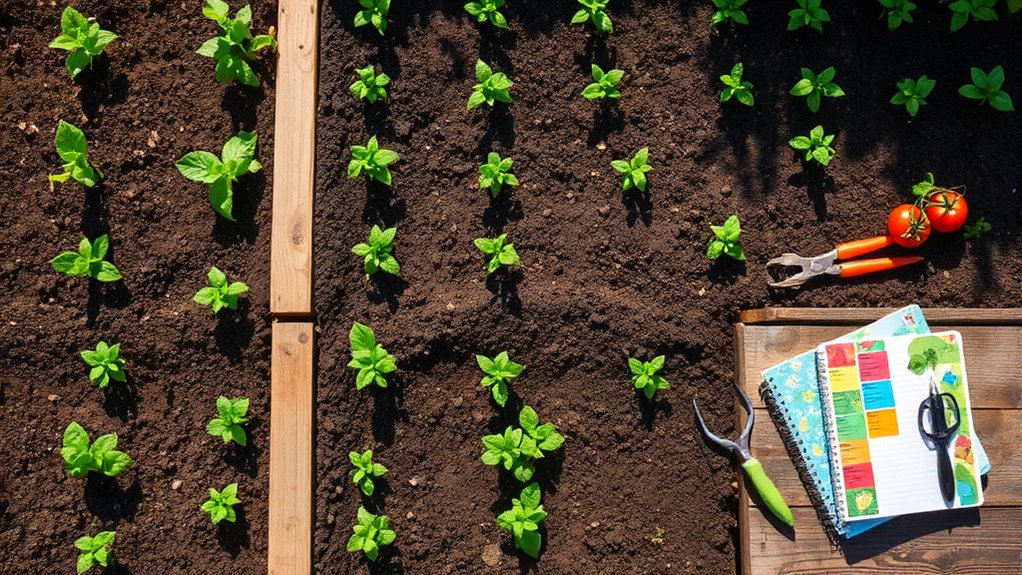
Start by putting your garden where it’ll get plenty of sunlight. Then, match each crop to the space it needs to grow well. Pick bed shapes that fit your yard and let you reach every plant easily without stepping on the soil. Keeping it simple and accessible will make planting, weeding, and harvesting much easier.
Sunlight And Space
Before you choose where each crop will go, take a close look at how much sunlight your yard gets and how much room you can realistically use. Most vegetables need six to eight hours of direct sun, so match each plant to its sunlight requirements.
Watch for shade from fences, trees, and buildings across the day, then use that pattern to guide your garden orientation. Put taller crops where they won’t block shorter ones, and group plants with similar needs together so you can manage the space efficiently.
Measure the area you can plant, then leave enough room for each crop’s mature size. When you plan this carefully, you reduce crowding, improve growth, and make the garden easier to manage all season.
Bed Shape And Access
Once you know where the sun hits and how much room you have, shape your beds so you can reach every plant without stepping on the soil. Use raised beds no wider than you can comfortably reach from both sides, and leave sturdy garden pathways for easy watering, harvesting, and wheelbarrow access.
Plan crop rotation now so you can shift families each season, and mix companion planting to support growth and pest management. If space is tight, add vertical gardening for beans, cucumbers, or tomatoes.
Think about seasonal planting patterns, so early crops can give way to warm-weather varieties. Finally, place irrigation systems where they’ll water evenly without soaking paths, and keep bed shapes simple so your layout stays efficient and easy to maintain.
Choose the Best Vegetables for Your Climate
To get the best harvest, match your vegetable choices to your local climate and growing season. If you live where summers are cool, grow lettuce, peas, spinach, radishes, and kale. In hot regions, choose tomatoes, peppers, eggplants, okra, and sweet potatoes.
Check your average frost dates, because they tell you when to sow and when to harvest before cold or heat damages plants.
You should also think about your microclimate. A sunny, sheltered spot can let you grow heat lovers longer, while partial shade can protect greens from bolting.
If your season is short, pick fast-maturing varieties and start with crops that produce quickly. When you plan each bed, use crop rotation to reduce disease and keep soil productive. Add companion planting to help with space use and pest control.
Gather Essential Garden Tools
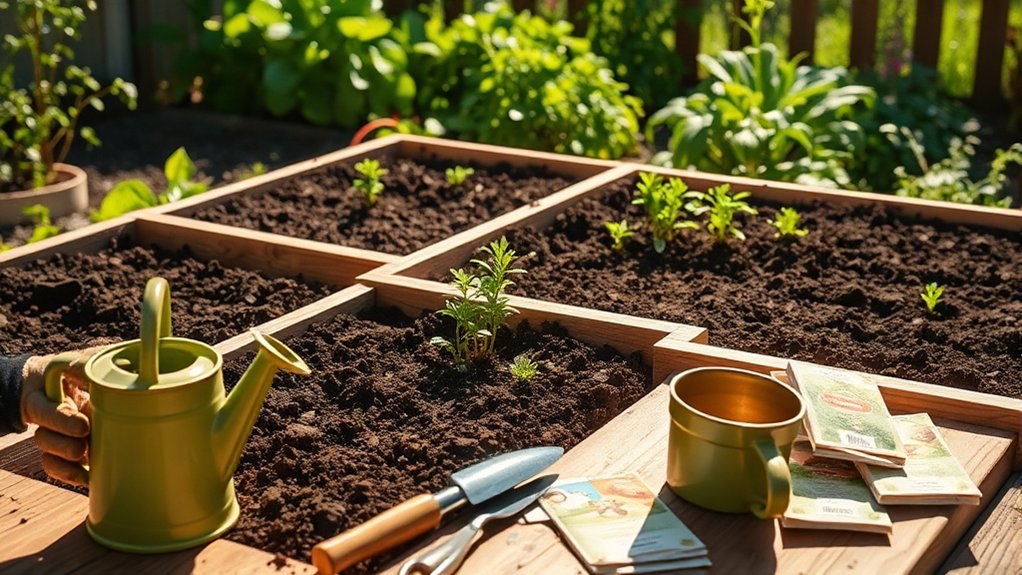
A few essential tools will make garden work much easier and more efficient. You don’t need a shed full of gear, but a few reliable basics help you work faster and with less strain. Choose tools that fit your hands and your space, then keep them clean and sharp so they last.
- Hand trowel: Use it to dig small holes, loosen soil, and remove weeds around tight spots.
- Pruning shears: Snip stems, trim herbs, and cut back damaged growth with control.
- Garden fork: Break up compacted soil and mix in compost when you’re improving beds with composting techniques.
- Watering can or hose: Give young plants steady moisture without flooding the bed.
Add gloves, a bucket, and a simple rake if you can. Good tool maintenance means washing off dirt, drying metal parts, and storing everything out of the rain. With the right tools nearby, you’ll work confidently and keep your garden organized.
Plant Seeds and Seedlings
Now you’re ready to put plants in the ground. Read each seed packet or plant tag, then match spacing and depth to the crop. Good planting techniques help roots settle fast and reduce competition.
Sow tiny seeds shallowly, cover them lightly, and press the soil firm. For transplants, loosen roots gently and set them at the same depth they grew before. Handle stems carefully so you don’t bruise them.
| Crop Type | Depth | Spacing |
|---|---|---|
| Lettuce | 1/8 in. | 6 in. |
| Beans | 1 in. | 4 in. |
| Tomatoes | 2 in. | 24 in. |
Use this guide, then adjust for your variety. After planting, label each row so you can track growth. Check seedlings often for upright stems and healthy leaves; that’s simple seedling care.
If a plant looks crowded, thin it early so the strongest one thrives.
Water Your Vegetable Garden Well
Give your vegetable garden a deep drink so the water reaches the roots, not just the surface. You’ll help seedlings settle in and keep mature plants steady through dry spells.
Water early in the day so leaves can dry, and aim the stream at the soil, not the foliage. A consistent watering schedule keeps growth even and reduces stress.
Try these irrigation techniques to make the job easier:
- Use a soaker hose to soak the bed slowly.
- Set a watering wand at the base of each plant.
- Check the soil with your finger before watering again.
- Mulch around plants to slow evaporation.
If the top inch feels dry, it’s time to water; if it’s damp, wait. Deep, infrequent watering trains roots to grow downward, where moisture lasts longer.
Pay attention after heat, wind, or rain, and adjust your routine so your garden stays healthy and productive.
Feed Your Plants for Strong Growth
Healthy vegetables need more than water to thrive, so feed them with a balanced fertilizer or rich compost to support steady growth. You can choose from several fertilizer types, including granular blends, liquid feeds, and slow-release products, depending on your garden’s needs.
Compost adds organic matter and improves soil structure, while a balanced synthetic formula gives plants a quick nutrient boost. Read the label carefully and apply only what your vegetables need, because too much feeding can cause weak growth or excess leaves with few harvests.
Pay attention to nutrient timing, too. Feed young transplants lightly after they settle in, then repeat at regular intervals during active growth. Leafy crops often want more nitrogen, while fruiting plants benefit from extra phosphorus and potassium once they start flowering.
Work compost into the soil before planting, then side-dress or water in fertilizer as plants mature. Consistent, well-timed feeding helps you grow healthier vegetables and better yields.
Keep Weeds and Pests Under Control
Weeds and pests can quickly steal water, nutrients, and sunlight from your vegetables, so stay ahead of them with regular attention. Build garden maintenance into your routine, and use pest identification to spot trouble early.
- Apply mulching techniques around plants to block weeds, hold moisture, and keep soil cooler.
- Pull small weeds by hand before they root deeply, or use organic herbicides carefully on walkways and bare spots.
- Mix in companion planting, like basil near tomatoes, to confuse pests and attract beneficial insects.
- Use crop rotation each season so insects and disease don’t settle in and multiply.
You can also try natural repellents, such as garlic spray or neem oil, on damaged leaves and stems. Check the undersides of leaves, the soil surface, and tender new growth every few days.
Consistent attention helps you protect your vegetables without turning your garden into a battle zone.
Harvest Vegetables at the Right Time
Harvest your vegetables when they’re at their peak for the best flavor, texture, and yield. Watch each crop closely because harvest timing affects taste, size, and continued production. Pick beans when they’re slender, cucumbers when they’re firm, and zucchini before they swell.
Check tomatoes for full color and a slight give, then twist them gently from the vine. Leafy greens often taste sweetest when you harvest outer leaves first, letting the plant keep growing. If you wait too long, some vegetables turn woody, bitter, or split.
Check tomatoes for full color and a slight give, then harvest leafy greens from the outside for sweetest, freshest growth.
Use clean scissors or a knife to avoid damaging stems. Harvest in the morning if you can, when plants are crisp and cool. Bring produce indoors quickly, rinse off soil, and dry it before vegetable storage.
Store each crop at the right temperature and humidity so it stays fresh longer. Regular picking keeps your garden productive and gives you the best quality from every plant.
Frequently Asked Questions
How Much Time Does Vegetable Gardening Require Weekly?
You’ll likely spend 2 to 7 hours a week on vegetable gardening, though it can feel like you’re running a tiny green kingdom. Your time management depends on garden size, weather, and crops.
Weekly garden maintenance usually includes watering, weeding, checking pests, and harvesting. If you start small, you can handle it in under 2 hours. Bigger, fussier plots can demand more attention, but they’ll reward you generously.
Can I Start a Garden Without Any Prior Experience?
Yes, you can absolutely start a garden without prior experience. You’ll learn as you go, and beginner tips can make the process easier.
Start small, choose simple crops, and focus on good garden planning so you don’t feel overwhelmed. You’ll build skills quickly by observing your plants, watering consistently, and adjusting as needed.
Gardening’s a hands-on hobby, so mistakes are normal, and each season teaches you something new.
What Vegetables Are Easiest for Kids to Grow?
You’ll find kid friendly vegetables like radishes, lettuce, cherry tomatoes, snap peas, and carrots easiest to grow. These plants sprout fast, stay manageable, and let you turn gardening activities into fun lessons.
You can let kids water, weed, and harvest, which keeps them excited and involved. Choose easy crops, give them plenty of sun, and you’ll help them see quick results while building confidence in the garden.
How Do I Preserve Extra Harvest From My Garden?
You can preserve extra harvest by canning tomatoes, beans, or fruit, freezing chopped veggies, and drying herbs for later use. Try fermenting vegetables like cabbage or carrots, and use pickling recipes for cucumbers, onions, or peppers.
Label everything with dates, and store it properly so it stays safe and tasty. You’ll also find recipe ideas for soups, sauces, and stews that use up your preserved produce fast.
When Is the Best Season to Begin Gardening?
Spring’s sweet start is usually your best bet for gardening. You’ll get milder temperatures, longer days, and better soil conditions for spring planting. Start after the last frost, then choose seasonal crops that match your region and schedule.
You can also begin some cool-weather vegetables in late winter or sow warm-season varieties once the ground warms. Watch your local climate, and you’ll grow with confidence and success.
Conclusion
Starting a vegetable garden can feel like a lot of work, which is funny because the reward is a basket full of food you grew yourself. You choose the right spot, test the soil, plan the layout, and keep your plants watered, fed, and protected.
Then, just when you think the hard part is over, harvest time proves the best part has been waiting underground, right in your own backyard. That’s the magic of how to start a vegetable garden—it’s all worth it when you enjoy fresh veggies you grew yourself.