Do Ducks Like Bread?
If you’ve ever tried feeding ducks at your local pond, you know it’s not always clear what they should be eating. Many people struggle with wanting to help these friendly birds without accidentally doing more harm than good. You’re not alone if you’ve wondered about the best way to feed ducks and keep them healthy.
Yes, ducks do like bread because its soft texture and mild flavor appeal to their natural taste preferences. You might find it easy to feed them bread, as it’s a familiar, quick energy source for ducks. However, bread lacks essential nutrients and can harm their health and environment if overfed.
If you care about ducks’ well-being, you’ll want to find better feeding choices and ways to help them stay healthy and safe.
Key Takeaways
- Ducks are naturally attracted to bread because of its soft texture and mild flavor, which resemble their familiar food sources like grains.
- Bread provides quick carbohydrates but lacks essential nutrients, making it an unhealthy choice for ducks when fed regularly.
- Ducks prefer natural diets including aquatic plants, insects, and seeds that offer balanced nutrition for health and growth.
- Overfeeding bread can lead to malnutrition, behavioral changes, and environmental pollution affecting duck populations and habitats.
- Healthier feeding alternatives like cracked corn, oats, and chopped vegetables better support ducks’ nutrition and natural foraging habits.
Why Do People Feed Ducks Bread? Common Reasons and Myths
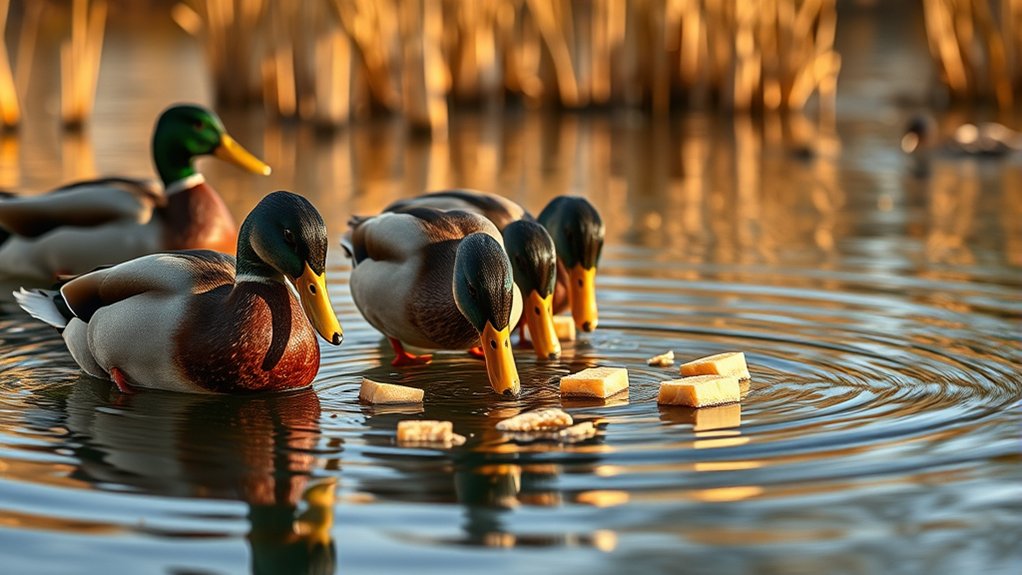
Although feeding ducks bread is a popular activity, many people don’t realize why they do it or the myths behind it. You might feed bread to ducks because it seems like a kind gesture or a fun way to connect with nature.
However, it’s important to understand proper feeding etiquette to avoid harming the birds. Bread lacks the nutrients ducks need in their natural diet, which includes aquatic plants, insects, and small fish. When you offer bread, you’re fundamentally giving them empty calories that can lead to malnutrition if fed too often.
Many believe bread is harmless or even beneficial, but these are common myths. Instead, you should focus on feeding ducks appropriate foods and follow feeding etiquette, like offering small amounts and avoiding processed bread with additives.
Do Ducks Like the Taste of Bread?

You might wonder if ducks actually enjoy the taste of bread or if they just eat it because it’s easy to find. Well, while bread can be tasty to them, it doesn’t really compare to the flavor or nutrition of their natural diet. So, let’s take a closer look at how their preferences stack up against what they really need.
Flavor Preferences
Why do ducks seem so enthusiastic to gobble up bread whenever you toss it their way? Their flavor preferences are influenced by several factors tied to their natural instincts and behaviors. Understanding these can help you appreciate why bread appeals to them.
- Ducks have a limited taste range but are attracted to soft, easy-to-eat foods, making bread a convenient choice during bird migration when they conserve energy.
- Waterfowl behavior shows they favor familiar textures and flavors, and bread’s mild taste fits this preference well.
- During migration, ducks prioritize quick energy sources; bread offers carbohydrates that satisfy this need, reinforcing their attraction to it.
Bread Versus Natural Diet
Ducks’ attraction to bread comes partly from its texture and energy content. But how does it compare to their natural diet? You’ll notice that duck behavior shows a preference for foods that offer nutritional value. Bread, despite its appeal, lacks essential nutrients.
Bread manufacturing strips away many natural vitamins and minerals, leaving mostly carbohydrates. When you feed ducks bread, you’re giving them a quick energy source but not the proteins, fats, and fiber they need.
| Food Type | Nutritional Value | Impact on Ducks |
|---|---|---|
| Bread | High carbs, low nutrients | Causes malnutrition |
| Aquatic plants | Rich in fiber and vitamins | Supports healthy digestion |
| Insects | High protein | Promotes growth and energy |
| Seeds | Balanced nutrients | Natural energy source |
Choose natural foods to support healthy duck behavior.
What Happens When Ducks Are Fed Too Much Bread?

Although feeding bread to ducks might seem harmless, giving them too much can cause serious health problems. When you overfeed bread, you disrupt duck behavior and neglect proper feeding etiquette, leading to negative consequences. Here are three key issues you should consider:
- Altered Duck Behavior: Ducks become reliant on humans for food, losing their natural foraging instincts. This dependency can change their daily routines and social interactions.
- Overcrowding and Aggression: Excess bread attracts large groups, causing overcrowding. This often leads to aggressive behavior among ducks competing for food.
- Environmental Impact: Leftover bread pollutes the water, encouraging harmful algae growth and attracting pests, which harms the ecosystem ducks depend on.
How Feeding Ducks Bread Affects Their Health and Habitat
When you feed ducks bread, it actually impacts their nutrition and the environment around them. Bread doesn’t have the nutrients ducks really need. Plus, it can pollute their habitat, which isn’t just bad for the ducks but for other wildlife too. So, it’s a good idea to look at healthier feeding options that can help keep ducks and their homes safe.
Nutritional Impact On Ducks
If you’ve ever tossed bread to ducks, you might not realize how it can harm their health and disrupt their natural diet. Bread lacks the essential nutrients ducks need, and feeding it regularly can alter waterfowl behavior, making them dependent on humans. This dependency can interfere with duck migration patterns, as ducks may stay in one area longer than they should.
Here’s what happens nutritionally when you feed ducks bread:
- Nutrient Deficiency: Bread is mostly empty calories, leading to malnutrition and weakened immune systems.
- Digestive Issues: Bread can cause digestive blockages and bloating, which is harmful to ducks.
- Altered Foraging: Ducks stop foraging naturally, affecting their ability to survive in the wild.
Feeding ducks bread undermines their health and natural instincts. It’s best to avoid it.
Environmental Consequences Of Bread
Because bread lacks proper nutrients and is often overfed to ducks, it doesn’t just harm their health. It also damages their environment. When you feed ducks bread, uneaten pieces sink and decompose, leading to water pollution.
This pollution encourages harmful algae growth, which reduces oxygen in the water and threatens fish and other wildlife. You might not realize that this disrupted ecosystem can affect duck migration patterns. Poor water quality forces ducks to seek healthier habitats.
Furthermore, overfeeding bread causes overcrowding, which stresses local water bodies and spreads disease among ducks. By continuing to feed bread, you unintentionally contribute to these environmental issues, putting duck populations and their habitats at risk.
Alternative Feeding Options
Feeding ducks bread can create serious health problems for the birds and disrupt their natural behaviors. If you want to practice proper feeding etiquette and support healthy duck behavior, consider these alternative options:
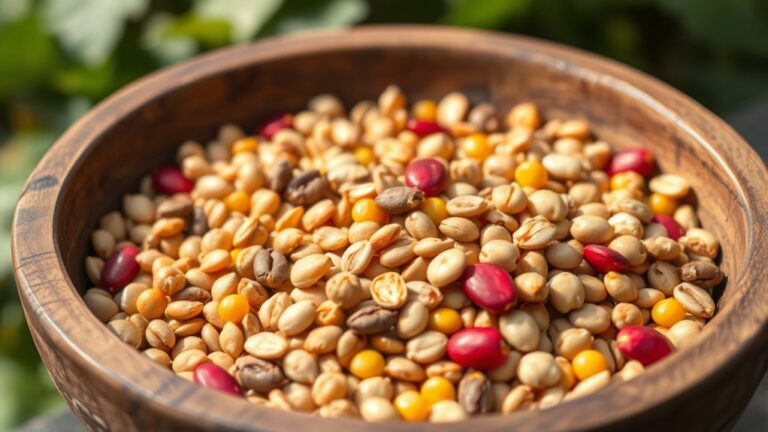
- Offer grains like cracked corn or oats. These mimic what ducks find in the wild and provide better nutrition.
- Provide chopped vegetables such as peas, lettuce, or corn. They are easy to digest and keep ducks healthy.
- Use commercial waterfowl pellets. These are formulated to meet ducks’ dietary needs and encourage natural foraging habits.
What Are the Signs Ducks Are Unhealthy From Bread?
When ducks consume too much bread, you’ll notice clear signs that their health is suffering. Their feeding habits change. They may refuse natural food sources and rely heavily on bread, which disrupts their diet balance.
Observe their behavior closely. Unhealthy ducks often seem lethargic or less active, and their feathers might look dull or patchy. These changes signal nutritional deficiencies caused by bread’s lack of essential vitamins and minerals.
| Sign | Description |
|---|---|
| Altered Feeding Habits | Ducks favor bread over natural food, ignoring nutrition |
| Lethargic Behavior | Reduced movement and less social interaction |
| Poor Feather Quality | Dull, ragged feathers indicating malnutrition |
What Are Better Foods to Feed Ducks Instead of Bread?
Noticing the negative effects of bread on ducks makes it clear that you should offer healthier alternatives. To keep ducks happy and healthy, focus on providing ducks’ favorite snacks that mimic their natural diet. Here are three great options:
Recognizing bread’s harm to ducks means choosing healthier, natural snacks that reflect their true diet.
1. Chopped vegetables
Peas, corn, and lettuce are nutritious and easy for ducks to eat.
2. Birdseed or oats
These mimic the grains ducks find in the wild and provide essential nutrients.
3. Earthworms or mealworms
Offering protein-rich snacks supports their growth and energy.
Avoid unusual feeding practices like giving processed or sugary foods, which can harm ducks. Instead, choose natural, wholesome foods that support their health. By switching to these better options, you help ducks thrive without the risks that come with bread.
How Can You Feed Ducks Safely Without Using Bread?
Although you might want to share a tasty treat with ducks, it’s important to choose safe foods and feeding methods. Instead of bread, offer foods that support their natural diet and waterfowl behavior, like cracked corn, oats, birdseed, or chopped vegetables. These options provide nutrients ducks need without harming their health or polluting waterways.
When feeding ducks, scatter food in shallow water or on the ground rather than tossing large amounts from a distance. This encourages natural foraging behaviors and prevents overfeeding, which can disrupt bird migration patterns and local ecosystems.
Be mindful of the quantity you provide. Feeding too much can cause ducks to rely on humans instead of seeking food naturally. By respecting their natural habits and seasonal migrations, you help maintain healthy populations.
Feeding ducks safely means supporting their well-being and the environment, so you can enjoy watching their graceful waterfowl behavior without causing harm.
What Are Tips for Feeding Ducks Responsibly in Parks?
If you want to feed ducks responsibly in parks, focus on offering appropriate foods in moderation and respecting park rules. Proper feeding etiquette helps ducks stay healthy and keeps the environment clean.
Feed ducks responsibly by offering healthy foods in moderation and following park guidelines to protect wildlife and the environment.
Here are three essential tips to follow:
- Follow Park Regulations: Always check for posted signs about feeding ducks. Some parks prohibit feeding to protect wildlife and water quality. Ignoring these rules can harm ducks and might lead to fines.
- Choose Healthy Foods: Avoid bread and opt for natural foods like cracked corn, oats, or duck pellets. Feeding suitable foods supports ducks’ nutritional needs without polluting the water.
- Feed in Small Amounts: Overfeeding causes leftover food to rot and attracts pests. Offer small portions to minimize waste and keep ducks from becoming dependent on human handouts.
Where Can You Find Healthy Duck Food Alternatives Near You?
When you want to feed ducks healthy alternatives, local pet stores, garden centers, and some grocery stores often carry suitable options like cracked corn, oats, or specially formulated duck pellets. These options align better with natural duck behavior, supporting their digestion and health. Before you head out, check with park authorities or wildlife organizations for recommendations on feeding etiquette to avoid disturbing the ducks’ natural habits.
You can also find healthy duck food at farmers’ markets or specialty animal feed shops, where whole grains and seeds are common. Bringing your own food guarantees you avoid bread and other harmful items. When feeding, remember to scatter food lightly rather than tossing large piles. This respects duck behavior by minimizing competition and aggression among ducks. By choosing the right food and following proper feeding etiquette, you help maintain a balanced environment for ducks and encourage safe, responsible interactions.
Why Choosing Healthy Duck Food Makes a Difference
Choosing healthy food for ducks directly impacts their overall well-being and the environment they live in. When you choose nutritious options over bread, you help ducks avoid health problems caused by poor diets. You also protect local waterways from pollution linked to leftover bread.
Here’s why your choice matters:
- Ducks’ favorite snacks like peas, corn, and oats provide essential nutrients, unlike bread, which offers empty calories.
- Common feeding mistakes, such as giving bread, lead to malnutrition and can cause “angel wing,” a deformity affecting ducks’ ability to fly.
- Healthy feeding supports natural foraging behavior, maintaining ecological balance and reducing unwanted waste buildup.
Frequently Asked Questions
How Do Ducks Find Food Naturally Without Human Help?
You’ll see ducks naturally foraging by dabbling in water and grazing on land. They rely on their duck diet, which includes aquatic plants, insects, small fish, and algae.
You can watch them tip their heads underwater to find these food sources. Ducks use their bills to filter food from mud and water, ensuring they get a balanced diet without human help. Their natural foraging skills keep them healthy and thriving.
Can Feeding Ducks Bread Affect Other Wildlife in the Area?
Yes, feeding ducks bread can negatively affect other wildlife in the area. When you toss bread, it often leads to bread contamination in the water, which can harm the ecosystem.
Wildlife diet gets disrupted because many animals rely on natural food sources, and bread lacks proper nutrients. This imbalance can attract pests, spread diseases, and decrease water quality, ultimately putting the entire local wildlife community at risk.
Are There Any Legal Restrictions on Feeding Ducks in Public Parks?
Yes, you’ll often find legal restrictions and feeding regulations in public parks that prohibit or limit feeding ducks. These rules are in place to protect wildlife health and preserve the natural ecosystem.
Before you feed ducks, check local ordinances or park signage to avoid fines or penalties. Following feeding regulations helps keep ducks safe and the environment balanced, so always respect the rules set by park authorities.
How Often Do Ducks Need to Eat Throughout the Day?
You should know ducks typically need to eat every 2-3 hours during daylight. Their duck diet requires frequent feeding to maintain energy for swimming and flying.
Feeding frequency matters because ducks burn calories quickly and rely on steady nourishment. If you’re caring for ducks, offering small, nutritious meals throughout the day mimics their natural habits and keeps them healthy and active.
Avoid overfeeding to prevent health issues.
What Are the Environmental Impacts of Leftover Bread on Water Bodies?
When you leave bread in water bodies, it causes water pollution that harms aquatic life. The excess bread decomposes, increasing nutrient levels and triggering algae blooms. This disrupts the ecosystem by reducing oxygen, which fish and other animals need to survive.
You might not realize it, but feeding ducks leftover bread can create these harmful effects. So it’s better to avoid doing it to protect the environment and keep the ecosystem balanced.
Conclusion
You might think feeding ducks bread is harmless fun, but it can actually harm their health and environment. Instead, try offering healthier options like cracked corn, oats, or birdseed you can find nearby.
Not only will the ducks enjoy it more, but you’ll help keep their habitat safe and clean. By making small changes, you’re supporting wildlife responsibly and making your duck-feeding experience truly rewarding.
Give it a try—you’ll see the difference when you choose better food because ducks like bread less than you think!