10 Essential Tips to Keep a Bird Healthy
If you’re a bird owner, you know how challenging it can be to keep your feathered friend healthy and happy. You’re not alone—many people struggle with understanding what their bird really needs to thrive. From diet to environment, it can feel overwhelming to get everything just right.
You can keep your bird healthy by creating a safe, clean environment and offering a balanced diet with fresh water and necessary supplements. Make certain your bird gets daily exercise and mental stimulation through flight, toys, and interaction.
Pay attention to breed-specific needs, seasonal changes, and signs of stress. Regular vet visits help catch problems early and prevent common illnesses. Following these tips sets the foundation, and there’s more to find out to guarantee your bird thrives.
Key Takeaways
- Provide a spacious, clean cage with natural perches and safe materials to ensure a comfortable and hygienic environment. This helps your bird feel secure and happy.
- Offer a balanced diet with seeds, pellets, fresh fruits, vegetables, and clean water daily for proper nutrition and hydration. Variety is key to keeping your bird healthy.
- Allow daily supervised flight and exercise with toys and training to promote physical health and mental stimulation. Birds love to move and explore!
- Schedule regular vet visits and preventive care to monitor health, vaccinations, and address breed-specific needs. Staying proactive keeps your bird in great shape.
- Adapt care routines seasonally and maintain good ventilation to prevent respiratory issues and common bird illnesses. Changing with the seasons helps your bird thrive.
Create a Safe, Comfortable Home for Your Bird
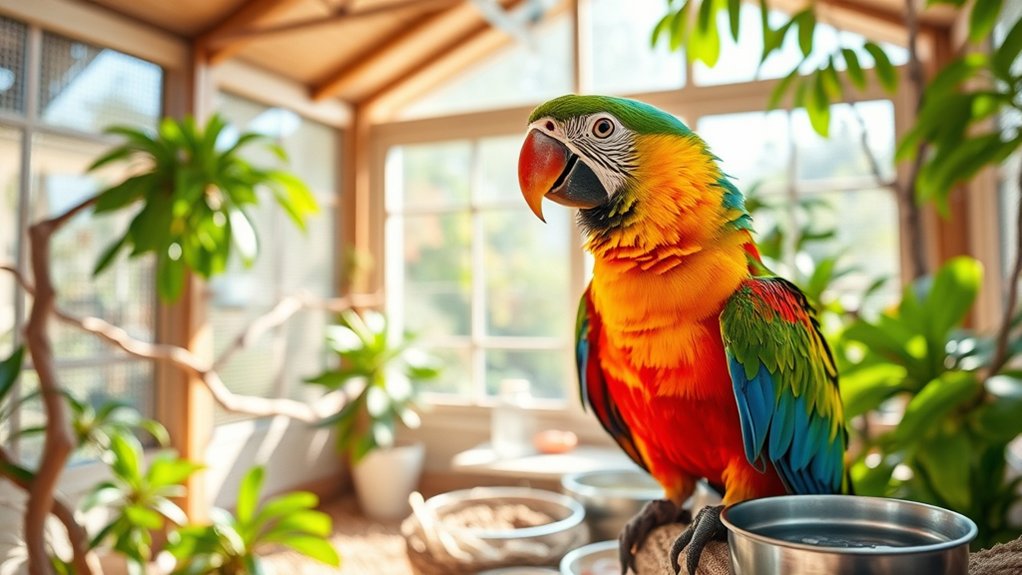
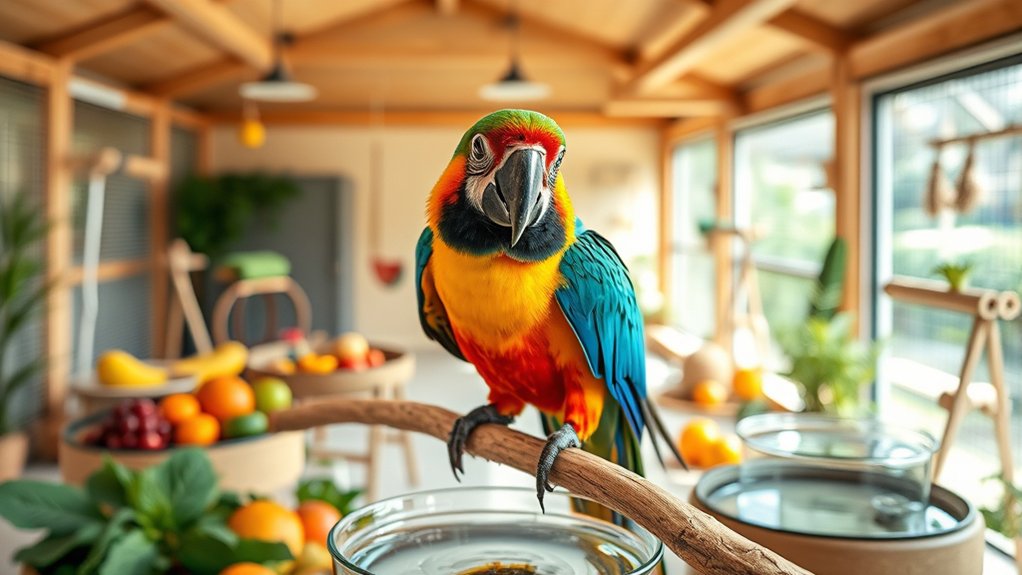
When you create a safe, comfortable home for your bird, you set the foundation for its health and happiness. Start by providing a spacious cage with proper ventilation and no sharp edges. Include natural branches for perching to encourage natural behaviors.
A safe, spacious cage with natural perches fosters your bird’s health and encourages natural behaviors.
If your bird is a species that builds nests, support its nest building by offering safe materials like untreated wood shavings or soft fibers. This allows your bird to express instincts and feel secure.
Regular feather trimming is essential; it prevents your bird from injuring itself or escaping. But make sure you or a professional perform it carefully to avoid stress or harm.
Keep the environment clean by removing droppings and old food daily. Also, position the cage away from drafts and direct sunlight.
Choose the Right Diet for Your Bird
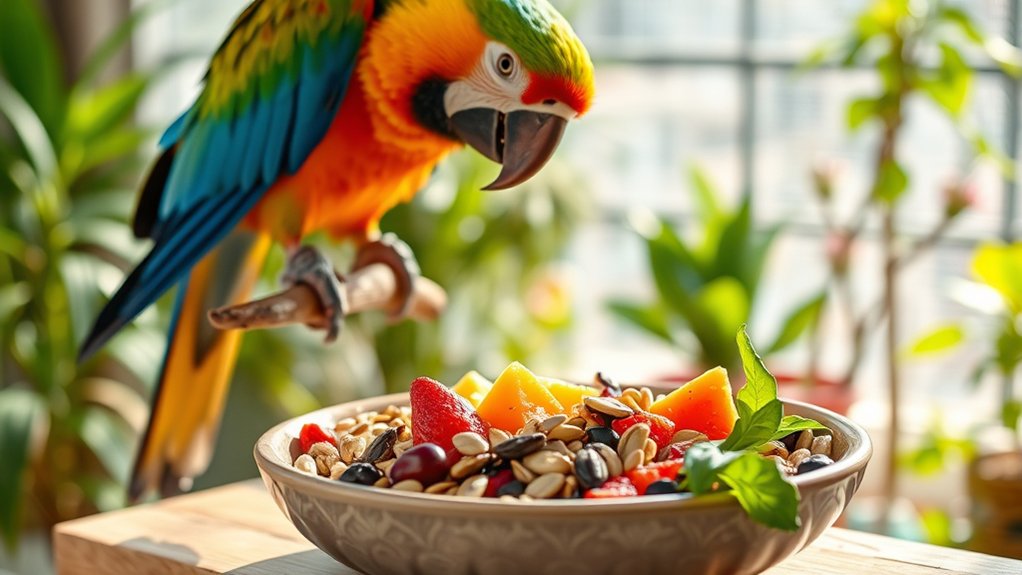
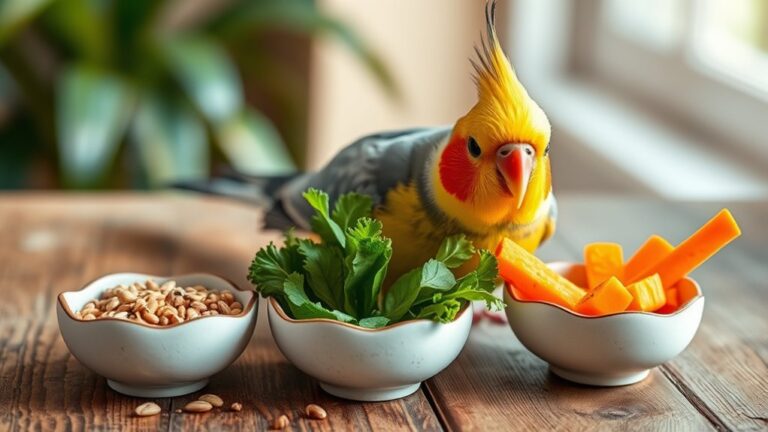
A safe, comfortable home lays the groundwork for your bird’s health, but what you feed it plays an equally important role. To keep your feathered friend thriving, focus on providing a diet with nutritional balance. This means including a mix of seeds, pellets, fruits, vegetables, and occasional treats to meet all their dietary needs. Avoid relying solely on seeds, as they lack essential vitamins and minerals.
Dietary variety not only guarantees balanced nutrition but also keeps your bird interested in its meals. Fresh produce like leafy greens, carrots, and berries offer important nutrients and antioxidants. Introduce new foods gradually to prevent digestive issues and observe your bird’s preferences to tailor their diet accordingly. Remember, each bird species has unique requirements, so research or consult a vet to customize the right diet.
Provide Fresh Water and Essential Supplements
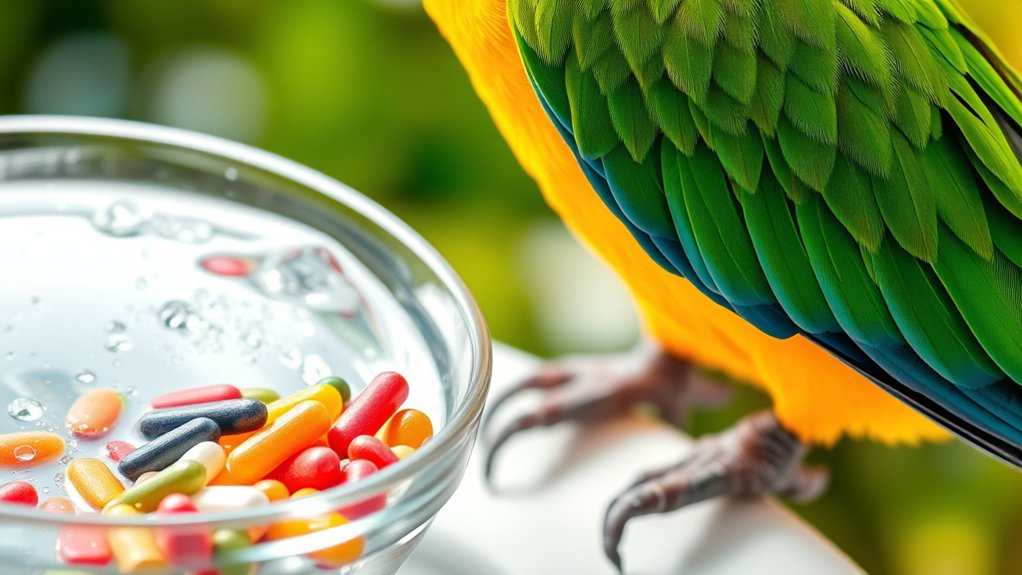
Although food is essential, your bird’s health depends just as much on access to fresh water and necessary supplements. Proper hydration management guarantees your bird stays energetic and avoids dehydration, which can lead to serious health issues.
Change their water daily and clean the water dish regularly to prevent bacteria buildup.
Supplements play a key role in filling nutritional gaps, especially if your bird’s diet lacks variety. Calcium, vitamins, and probiotics support bone health, feather quality, and digestion. Always consult your avian vet before adding supplements to avoid overdosing.
| Supplement Type | Benefit |
|---|---|
| Calcium | Strengthens bones, eggs |
| Vitamins | Enhances immune system |
| Probiotics | Improves digestion |
Provide Daily Exercise and Flight for Your Bird
You should make sure your bird gets daily flight time to stay strong and healthy. It’s really important to provide a safe environment for exercise because that helps prevent accidents and stress. Plus, letting your bird stretch its wings regularly supports both its physical and mental well-being. So, making time each day for your bird to fly around can make a big difference in how happy and healthy it stays.
Importance of Flight Time
How often does your bird get a chance to stretch its wings? Flight time is essential for your bird’s physical and mental health. Regular flying helps build muscle strength and improves cardiovascular fitness.
Incorporate wingspan training by encouraging your bird to fully extend and flap its wings during flight. This exercise boosts coordination and keeps their muscles toned.
Always prioritize airspace safety by ensuring the flying area is free of hazards like fans, open windows, or toxic plants. Proper flight time also prevents boredom and behavioral issues, giving your bird a sense of freedom and stimulation.
Safe Exercise Environment
Creating a safe exercise environment requires careful planning and attention to detail. You should guarantee your bird enclosure is spacious and free from hazards like sharp edges or toxic plants. Providing daily exercise and flight opportunities outside the cage is essential for your bird’s health.
Set up exercise equipment such as perches, swings, and ladders to encourage movement and mental stimulation. Make sure the room is secure. Close windows and doors, cover mirrors, and remove ceiling fans. Supervise your bird during flight time to prevent accidents.
Keep Your Bird Mentally Stimulated and Engaged
Although birds may seem content resting quietly, they thrive when their minds stay active and engaged. Mental engagement is essential for their happiness and overall health. Without proper enrichment activities, birds can become bored, stressed, or even develop destructive behaviors.
Birds flourish when mentally engaged, preventing boredom, stress, and destructive behaviors through active enrichment.
To keep your bird mentally stimulated, try these simple yet effective activities:
- Rotate toys regularly to maintain curiosity.
- Teach new tricks or commands to challenge their intelligence.
- Provide puzzle feeders that require problem-solving.
- Spend time talking or singing to encourage social interaction.
- Introduce natural materials like branches or leaves for exploration.
Keep Your Bird’s Space Clean to Stay Healthy
Since birds are highly sensitive to their environment, keeping their living space clean directly supports their health and well-being. You should establish regular cleaning routines to remove droppings, uneaten food, and debris from the cage daily. This prevents bacteria and mold growth that can cause illness.
Weekly deep cleanings that involve disinfecting perches, toys, and cage bars are essential hygiene practices to maintain a safe environment.
Make sure to use bird-safe cleaning products or mild soap and water to avoid harmful chemicals. Rinse thoroughly to eliminate any residue.
Also, replace cage liners frequently to reduce odors and contamination. Don’t forget to clean food and water dishes every day to prevent bacterial buildup.
Monitor Your Bird’s Behavior for Warning Signs
When you pay close attention to your bird’s behavior, you can catch early signs of illness or distress before they become serious. Watching how your bird grooms its feathers is key. Excessive or lack of feather grooming can signal health issues.
Changes in vocal behavior are also important. If your bird suddenly becomes unusually quiet or noisy, it might be trying to tell you something.
Keep an eye on these warning signs:
- Decreased appetite or difficulty eating
- Fluffed-up feathers for extended periods
- Unexplained lethargy or reduced activity
- Irregular droppings in color or consistency
- Changes in vocal behavior, such as less singing or unusual calls
Manage Your Bird’s Stress and Environmental Changes
Because birds are highly sensitive creatures, managing their stress and adapting to environmental changes is essential for their well-being. You can promote stress reduction by providing environmental enrichment like toys, perches, and foraging opportunities.
Keep changes gradual to avoid overwhelming your bird, and maintain a consistent daily routine. Avoid loud noises and sudden movements, which can increase anxiety.
Here’s a quick guide to managing stress and environmental changes:
| Factor | Action | Benefits |
|---|---|---|
| New environments | Introduce slowly | Minimizes shock |
| Noise levels | Keep consistent and low | Reduces stress triggers |
| Enrichment | Rotate toys and perches weekly | Prevents boredom |
| Lighting | Maintain natural light cycles | Supports natural rhythms |
| Social interaction | Provide regular companionship | Improves emotional health |
Schedule Regular Vet Visits to Catch Problems Early
Although your bird may seem healthy, scheduling regular vet visits lets you catch potential problems early and guarantees they stay in top condition. Veterinary check ups are essential for spotting issues before they become serious, even if your bird looks fine.
Health screenings during these visits can reveal hidden infections, nutritional deficiencies, or developing diseases that you might miss at home.
When you schedule regular vet visits, you can:
- Monitor weight changes and overall body condition
- Check for parasites or infections early
- Update vaccinations and preventive care
- Assess beak, feathers, and nail health
- Get personalized advice on diet and habitat
Prevent Common Bird Health Problems
To keep your bird thriving, you need to stay ahead of common health issues that can arise. Understanding avian genetics helps you recognize breed-specific vulnerabilities. This way, you can tailor care and diet accordingly. Also, knowing bird migration patterns can alert you to seasonal changes that might affect your bird’s health, such as stress or exposure to parasites.
Here’s a quick guide to prevent typical problems:
| Health Issue | Cause | Prevention Tip |
|---|---|---|
| Respiratory Infections | Poor ventilation, dust | Keep cage clean, ensure airflow |
| Nutritional Deficiencies | Imbalanced diet | Provide varied, nutrient-rich food |
| Parasites | Contact during migration | Regular vet checks, parasite control |
Frequently Asked Questions
Can Birds Get Vaccinations Like Other Pets?
Yes, birds can get vaccinations, but they’re less common than for dogs or cats. You should consult an avian vet to see if your bird needs any specific vaccines.
Along with vaccinations, focus on bird nutrition and grooming to keep your feathered friend healthy. Providing a balanced diet and regular grooming helps boost their immune system, reducing the need for vaccines and keeping your bird active and happy.
How Do I Travel Safely With My Bird?
You’d think your bird loves road trips, but they really don’t. To travel safely, pack fresh bird nutrition and keep their cage clean even on the go. No one wants a mess in the car!
Secure the cage firmly to avoid sudden jolts, and bring familiar toys to reduce stress. Remember, birds are sensitive, so plan frequent stops for fresh air and check on your feathered friend often during the trip.
What Are Safe Toys Made From Non-Toxic Materials?
You should choose safe toys made from non-toxic materials like untreated wood, stainless steel, and natural fibers to guarantee your bird’s safety. Avoid toys with lead, zinc, or harmful paints.
Regularly inspect toys inside the bird cage for wear and tear to maintain toy safety. Swapping toys frequently keeps your bird engaged and prevents boredom while ensuring their environment stays safe and stimulating.
How Can I Tell if My Bird Is in Pain?
Like a silent poem, your bird’s body language speaks volumes. If it’s puffed up, hiding, or refusing food, these are signs of distress you shouldn’t ignore.
Watch for unusual vocalizations, fluffed feathers, or a drooping posture. They hint at pain. When your bird’s usual rhythm falters, you’ll notice subtle changes.
Trust your instincts and consult a vet promptly to ease their silent suffering before it grows louder.
Are There Specific Bird Breeds Prone to Certain Diseases?
Yes, certain bird breeds show higher disease susceptibility due to bird genetics. For example, cockatiels often face respiratory issues, while African grey parrots may be prone to calcium deficiencies.
Understanding your bird’s genetic background helps you anticipate potential health problems and tailor care accordingly. You should monitor your bird closely and consult a vet familiar with breed-specific risks to keep your feathered friend thriving despite genetic predispositions.
Conclusion
By following these tips, you’re not just caring for your bird’s body; you’re nurturing its spirit. Some believe birds thrive purely on instinct, but the truth is, they flourish when you actively meet their physical and mental needs.
Your attention helps prevent illness and stress, proving that a healthy bird isn’t just born. It’s made through your love and dedication. So, keep learning and caring because your bird’s well-being depends on you and these essential tips to keep a bird healthy.