What Is Birdseed and Why Do Birds Need It?
If you’ve ever struggled to attract a variety of birds to your backyard, you’re not alone. Many people find it tricky to choose the right birdseed that keeps their feathered visitors healthy and coming back for more. Finding the perfect mix can feel overwhelming, but understanding what birds really need makes all the difference.
Birdseed is a mix of seeds like sunflower, millet, and peanuts, tailored to provide birds with the fats, proteins, vitamins, and minerals they need. You’ll attract different bird species by choosing the right seeds, helping them stay energized, especially during cold or harsh weather.
Proper feeding supports their health, migration, and daily activities. If you want to know how to pick the best seed and care for your feathered visitors, there’s plenty more to discover.
Key Takeaways
- Birdseed is a blend of various seeds like millet, sunflower, and cracked corn formulated to provide birds essential nutrients.
- Birds need seed for energy, proteins, fats, vitamins, and minerals to support survival, growth, and migration.
- Different seeds attract specific bird species and cater to their dietary preferences and seasonal needs.
- High-fat seeds like sunflower and safflower help birds maintain body heat and energy during cold weather.
- Proper storage and fresh seed ensure birds receive maximum nutrition and reduce spoilage or mold risks.
What Is Birdseed Made Of?
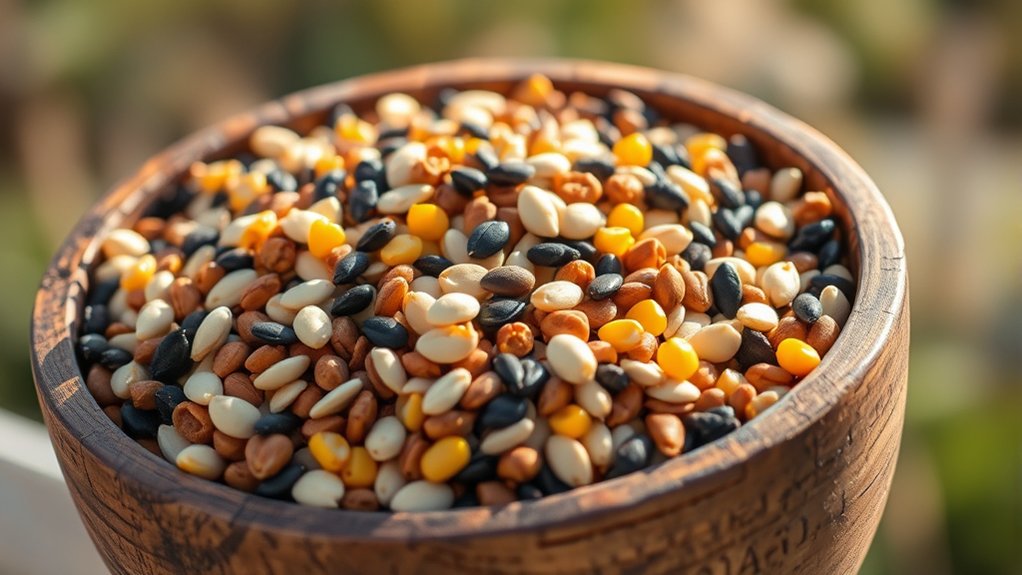
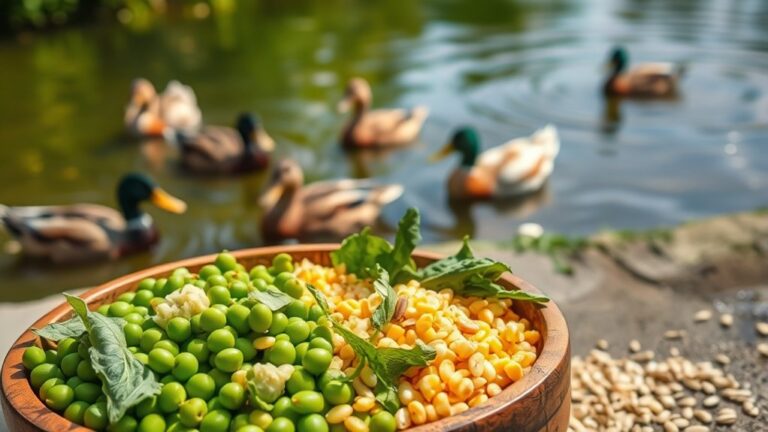
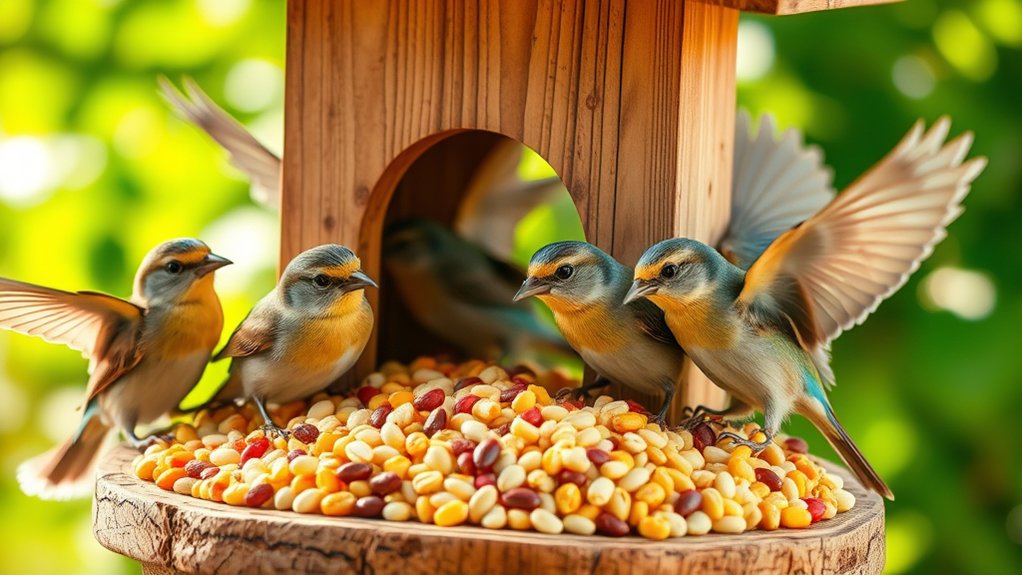
Although birdseed mixes vary, they usually contain a blend of seeds like millet, sunflower seeds, and cracked corn to attract different types of birds. You’ll find that these combinations are carefully chosen based on birdseed nutrition, ensuring birds get essential fats, proteins, and carbohydrates.
When you select a blend, you’re actually choosing a tailored diet for local bird species, thanks to thoughtful seed blending techniques. These techniques balance seeds to meet birds’ energy needs throughout the year. High-fat seeds like sunflower provide fuel during colder months, while lighter seeds like millet cater to smaller birds.
How Is Birdseed Prepared?
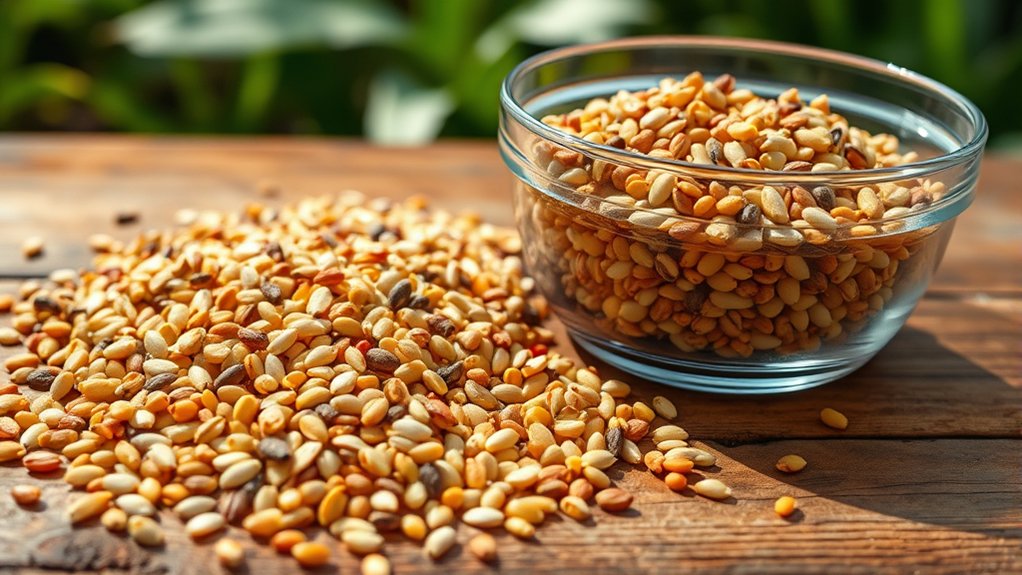
Before birdseed reaches your feeder, producers carefully clean and sort the seeds to remove debris and damaged kernels. This ensures only quality ingredients make it into the mix. This step is crucial for maintaining the birdseed composition that attracts and nourishes wild birds effectively.
Producers meticulously clean and sort seeds to ensure only the highest quality ingredients nourish wild birds.
Seed cleaning methods often include sieving, air blowing, and gravity separation to guarantee purity.
Once cleaned, the seeds are blended to create a balanced birdseed composition tailored for various bird species. You’ll find mixes combining sunflower seeds, millet, cracked corn, and other nutritious seeds. Finally, the blend is packaged to preserve freshness and prevent spoilage.
Here’s how birdseed preparation typically unfolds:
1. Seed Cleaning
Removing dirt and broken seeds using advanced seed cleaning methods.
2. Mixing
Combining seeds in specific ratios to form a nutritious blend.
3. Packaging
Sealing the mix to maintain quality until it reaches your feeder.
This careful process ensures the birdseed you buy supports healthy, happy birds.
How Different Birdseed Types Attract Specific Bird Species
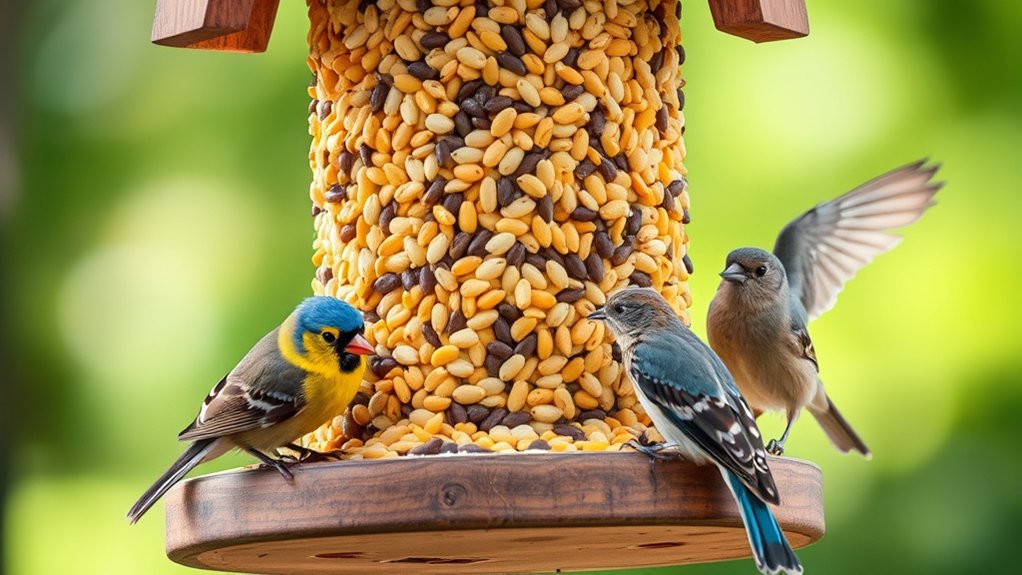
You’ll find that different birdseed types attract specific bird species because each bird has its own preferences. So, by choosing the right seeds, you can invite a variety of birds to your feeder. Plus, seasonal changes also play a role in which seeds work best at different times of the year. It’s all about matching the seed to the bird and the season!
Seed Types And Preferences
When you choose birdseed, understanding which types attract specific bird species can make your feeder a popular spot. Different seed varieties appeal to various birds based on their preferences, helping you target the feathered visitors you want. Here are three common seed types and the birds they attract:
- Black oil sunflower seeds These are favored by many species like cardinals, chickadees, and finches because of their high oil content and thin shells.
- Nyjer (thistle) seeds Small finches such as goldfinches and siskins love nyjer seeds. These require special feeders to prevent spillage.
- Millet Ground-feeding birds like sparrows, doves, and juncos prefer millet. It’s often found in mixed seed blends.
Knowing bird preferences helps you select seed varieties that keep your feeder busy and lively.
Attracting Birds By Seed
How can you attract more of your favorite bird species to your feeder? Choosing the right birdseed is key. Different seeds appeal to different birds, especially during bird migration when they need energy-rich food.
For instance, black oil sunflower seeds attract cardinals and finches, while nyjer seeds draw in smaller birds like goldfinches. If you want to see more ground feeders, millet works well for sparrows and doves.
During bird nesting seasons, protein-rich seeds help parents feed their young. By offering a variety tailored to local species and their seasonal needs, you’ll encourage visits from specific birds.
Understanding these preferences lets you create a welcoming spot that supports birds through migration and nesting periods while enjoying their presence year-round.
Seasonal Birdseed Choices
Because bird species have different dietary needs throughout the year, adjusting your seed selection by season can attract a wider variety of visitors. Choosing the right birdseed varieties and using proper seed cleaning techniques guarantees you offer fresh, appealing food. Here’s how to tailor your seed choices:
- Spring/Summer: Opt for nyjer and sunflower seeds to attract finches and cardinals who favor high-energy foods during breeding season.
- Fall: Offer millet and cracked corn, which draw sparrows and jays preparing for migration.
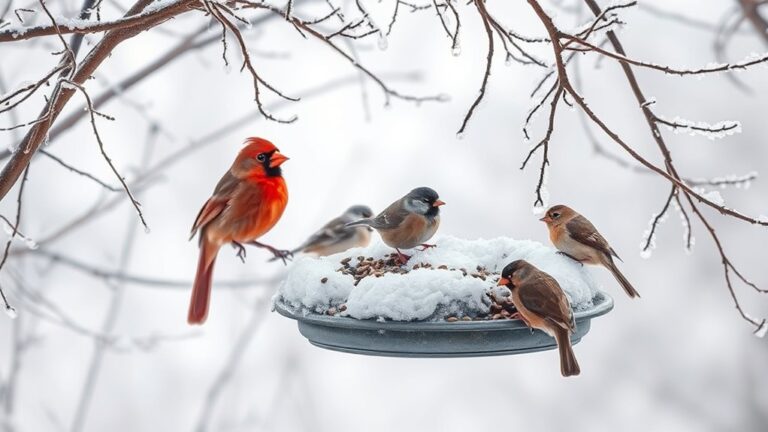
- Winter: Provide high-fat seeds like safflower and peanuts to help birds maintain energy in colder weather.
Which Nutrients Keep Birds Healthy?
Although birds have diverse diets, certain nutrients consistently support their health and liveliness. Whether they’re preparing for bird migration or managing nesting habits, birds rely on a balance of proteins, fats, vitamins, and minerals to stay strong and active. You can help by understanding which nutrients are essential.
Here’s a simple guide to key nutrients and their roles:
| Nutrient | Importance |
|---|---|
| Protein | Supports muscle development, vital during migration |
| Fat | Provides energy for long flights and warmth during nesting |
| Vitamins | Boost immune system and overall health |
| Minerals | Strengthen bones and eggshells for successful nesting |
Why Do Birds Need Birdseed?
Since birds require specific nutrients to thrive, birdseed offers a convenient and reliable source of the proteins, fats, vitamins, and minerals they need. You might wonder why birdseed matters so much, especially during critical times like bird migration and nesting habits.
When birds migrate, they burn a lot of energy and need nutrient-rich food to fuel their journey. During nesting season, parent birds require extra nutrition to care for their young.
Here’s why birdseed is essential:
- Energy Boost: High-fat seeds help birds sustain long flights during migration.
- Reproductive Health: Nutrients support egg production and feeding nestlings.
- Survival Support: A steady food source aids birds when natural resources are scarce.
When and Why to Feed Backyard Birds
If you want to attract birds to your yard, knowing when to feed them is key. Feeding helps birds during tough times like winter or migration when food is scarce. You should also think about their nesting habits. During breeding season, birds need extra energy to care for their young.
Providing food at these times supports their survival and encourages them to visit your backyard regularly.
Here’s a simple guide to when and why to feed backyard birds:
| Season | Why Feed Birds | What to Think About |
|---|---|---|
| Winter | Food scarcity during cold | Provide high-energy seeds |
| Spring | Nesting season energy needs | Avoid feeding during heavy rain |
| Fall | Bird migration preparation | Offer seeds to build fat reserves |
| Summer | Support fledglings | Supply softer foods like suet |
Best Birdseed Mixes for Seasonal Feeding
To attract the right birds during each season, you’ll want to choose birdseed mixes tailored to their changing dietary needs. Different seeds support bird migration and encourage natural seed dispersal. This keeps your backyard lively year-round. Here are three top mixes to consider:
1. Spring Mix
Rich in sunflower seeds and safflower, this blend fuels birds returning from migration. It boosts energy and encourages seed dispersal for new plant growth.
2. Summer Mix
Include millet and cracked corn to attract ground-feeders like doves and sparrows that thrive in warmer months. This helps maintain local bird populations.
3. Fall Mix
Offer a hearty mix with black oil sunflower seeds and peanuts to prepare birds for migration. It provides essential fats and nutrients.
How Birdseed Helps Birds in Harsh Weather
When winter hits hard, you can really help birds stay warm by offering them some high-quality birdseed. The right mix gives them the essential nutrients they need to keep their energy up during those cold spells. So, let’s take a closer look at how feeding birds in harsh weather actually makes a big difference.
Energy Boost During Winter
How do birds survive the cold, harsh winter months? You might not realize it, but birdseed plays a crucial role in giving them the energy they need. When food is scarce, especially during bird migration or nest building, they rely on high-energy seeds to keep going. Here’s how birdseed helps:
- Quick Energy Source: Seeds like sunflower and safflower provide fats and proteins that fuel birds’ bodies instantly during chilly weather.
- Supports Daily Activity: With extra energy, birds maintain body heat and stay active, improving their chances of surviving.
- Encourages Local Stay: Reliable food from bird feeders means fewer birds risk long migration trips, conserving their energy for nest building and survival.
Nutrient Support In Cold
Why do birds need more than just energy during cold weather? It’s because harsh conditions demand more than calories. They require essential nutrients to maintain their health and body functions.
The birdseed composition plays a pivotal role here, as it’s carefully balanced to provide not only fats and carbohydrates but also vital vitamins and minerals. When you offer nutrient supplementation through a variety of seeds like sunflower, millet, and safflower, you help birds strengthen their immune systems and keep their feathers in top condition.
This support becomes indispensable as natural food sources dwindle and energy demands rise. By understanding how birdseed composition aids birds in winter, you guarantee they get the comprehensive nourishment they need to survive and thrive through cold spells.
How to Choose the Right Birdseed for Your Local Birds
Since different bird species prefer specific seeds, you’ll increase your chances of attracting local birds by selecting the right mix. Understanding birdseed varieties is key to meeting their dietary needs and encouraging visits. Follow these tips to choose wisely while respecting bird feeding etiquette:
- Identify local birds: Research common species in your area to know which seeds they favor. For example, sunflower seeds attract cardinals, while nyjer appeals to finches.
- Match seed types: Use a mix that suits your local birds, such as black oil sunflower, millet, or cracked corn. Avoid mixes with fillers like red millet that many birds ignore.
- Practice good bird feeding etiquette: Keep feeders clean, change seeds regularly, and avoid overfeeding to prevent mold and pests.
Where to Buy Quality Birdseed and How to Store It
You’ll want to buy quality birdseed from trusted stores or specialty suppliers to guarantee freshness. It really makes a difference in attracting more birds to your feeder. Once you have your seed, proper storage is key to keep it from spoiling or attracting pests. So, it’s not just about where you buy it, but also how you take care of it afterward. Let’s take a closer look at the best places to purchase birdseed and how to store it correctly.
Best Places To Purchase
Although finding quality birdseed might seem straightforward, knowing where to buy it can make a big difference in attracting healthy, vibrant birds to your feeder. When selecting birdseed, pay attention to packaging to guarantee freshness and avoid contamination. Proper birdseed storage also matters, so choose packaging that’s airtight or resealable.
Here are the best places to purchase quality birdseed:
- Local Garden Centers – They often stock fresh, seasonal birdseed with clear packaging.
- Specialty Bird Stores – These stores offer a wide variety of seed blends tailored for different bird species.
- Online Retailers – You can compare brands and read reviews, but check packaging details to ensure your seed stays fresh during shipping.
Buying from these sources helps you provide nutritious food for your feathered visitors.
Proper Birdseed Storage
After choosing the right place to buy quality birdseed, it’s important to store it properly to keep it fresh and safe for your feathered friends. Store birdseed in a cool, dry place, away from direct sunlight and moisture. These can cause mold and spoilage.
Use airtight containers to protect the seeds from pests and maintain nutrient quality. This is essential for supporting feather health. Fresh birdseed helps birds build strong feathers necessary for insulation and flight, especially during migration patterns.
Avoid buying in bulk unless you can use it quickly, as old or stale seeds lose their nutritional value. By storing birdseed correctly, you provide birds with the energy they need to survive seasonal changes and long journeys. This ensures they stay healthy and vibrant year-round.
Frequently Asked Questions
Can Birdseed Attract Unwanted Animals or Pests?
Yes, birdseed can attract unwanted animals, causing wildlife interference in your yard. Squirrels, raccoons, and even rodents might show up, drawn by the easy food source.
To avoid this, you’ll want to focus on pest prevention by using seed blends less appealing to pests or placing feeders strategically. Regularly cleaning up spilled seeds also helps keep unwanted visitors away, so you can enjoy watching birds without extra wildlife problems.
How Often Should Bird Feeders Be Cleaned?
Think of your bird feeder like a tiny restaurant. Cleanliness keeps customers happy and healthy. You should clean your feeder at least once every two weeks to prevent mold and bacteria that harm bird nutrition.
If you notice seed storage getting damp or moldy, clean it immediately. Regular cleaning guarantees seed stays fresh and safe. This helps local birds thrive while reducing the risk of disease spreading among your feathered guests.
Is It Safe to Feed Birds Year-Round?
Yes, you can safely feed birds year-round, but it’s smart to adjust based on bird migration patterns. During migration, birds need extra energy, so seasonal feeding helps them stay strong.
In warmer months, natural food is more abundant, so you might reduce feeding to encourage birds to forage naturally. By matching your feeding habits with the seasons, you support birds effectively without disrupting their natural behaviors or migration routines.
What Types of Feeders Work Best for Different Birds?
Think of feeders as doorways tailored to each bird’s personality. Tube feeders attract native species like finches who prefer small perches, while platform feeders welcome ground feeders with open arms.
Suet feeders act like a high-energy buffet for insect-eaters. You’ll want to match feeders to feeding habits: hummingbirds need nectar feeders, whereas woodpeckers favor suet cages.
Can Moldy Birdseed Harm Birds?
Yes, moldy birdseed can harm birds by causing illness or even death. You need to prioritize mold prevention by regularly checking for damp or clumped seeds and discarding any moldy ones immediately.
Keeping seed freshness in mind, store birdseed in a cool, dry place and use feeders that minimize moisture. This way, you protect birds from harmful fungi and help them stay healthy and safe while feeding.
Conclusion
Think of birdseed as a key opening nature’s vibrant symphony right outside your window. When you choose the right mix, you’re not just feeding birds—you’re nurturing life, color, and song in your world.
Just like a gardener tends to their blooms, your care through birdseed helps birds thrive, especially when times get tough. So, keep your feeder full and watch how this small gesture fills your days with wonder and connection.
In the end, birdseed is more than food; it’s a way to bring joy and support to the birds around you.