What Are Bird Seeds and How to Choose the Right Mix
If you’re trying to attract more birds to your yard but feel overwhelmed by all the options, you’re not alone. Many people struggle to find the right bird seeds that will actually bring in their favorite feathered friends.
Choosing the perfect mix can be tricky, especially when you want to support local wildlife and keep your feeders fresh.
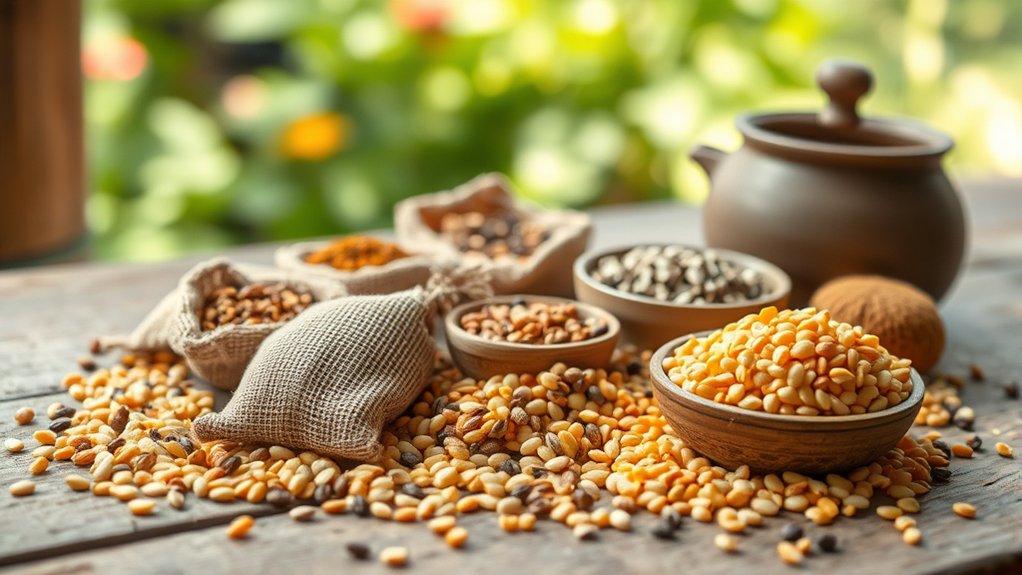
Bird seeds are a mix of nutritious seeds like sunflower, nyjer, millet, and safflower that attract specific birds and support their health.
When choosing the right mix, consider your local bird species, their dietary needs, and seasonal changes.
Opt for fresh, high-quality seeds stored properly to prevent spoilage.
Selecting seeds that match bird preferences helps promote natural behaviors and supports the ecosystem.
Keep exploring to find out how to fine-tune your choices for the best results.
Key Takeaways
- Bird seeds vary by type, each attracting specific birds and providing essential nutrients like fats, proteins, and carbohydrates.
- Choose seed mixes based on the target bird species and seasonal dietary needs to support bird health and natural behaviors.
- High-quality, fresh seeds without fillers or mold ensure optimal nutrition and encourage frequent bird visits.
- Proper storage in cool, dry, airtight containers preserves seed freshness and prevents spoilage or contamination.
- Avoid common mistakes like poor storage, ignoring bird preferences, and using unsuitable seed coatings or fillers.
What Bird Seeds Are Made Of and Why It Matters
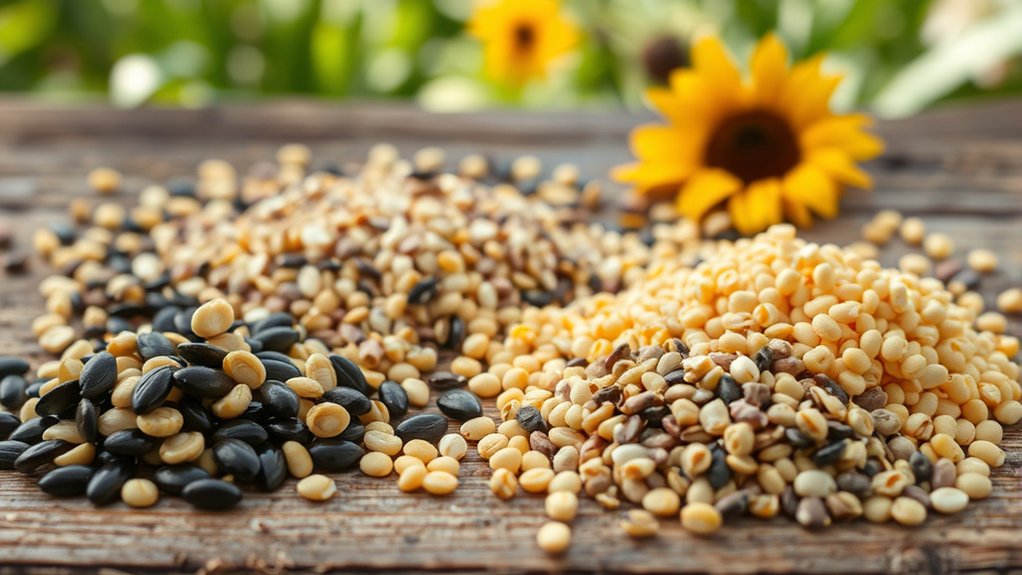
Although bird seeds may seem simple, their ingredients play a crucial role in attracting specific types of birds and meeting their nutritional needs. When you choose bird seeds, you’re not just feeding birds, you’re supporting seed dispersal and plant propagation.
Birds eat seeds, then drop or bury them elsewhere, helping plants spread and thrive in new areas. Different seeds provide various nutrients, so picking the right mix ensures birds get the energy and vitamins they need to stay healthy and active.
Understanding what’s in your bird seed mix helps you encourage local ecosystems to flourish naturally. By offering seeds that promote seed dispersal, you’re contributing to plant propagation and the balance of your environment.
How Different Bird Seeds Attract Birds
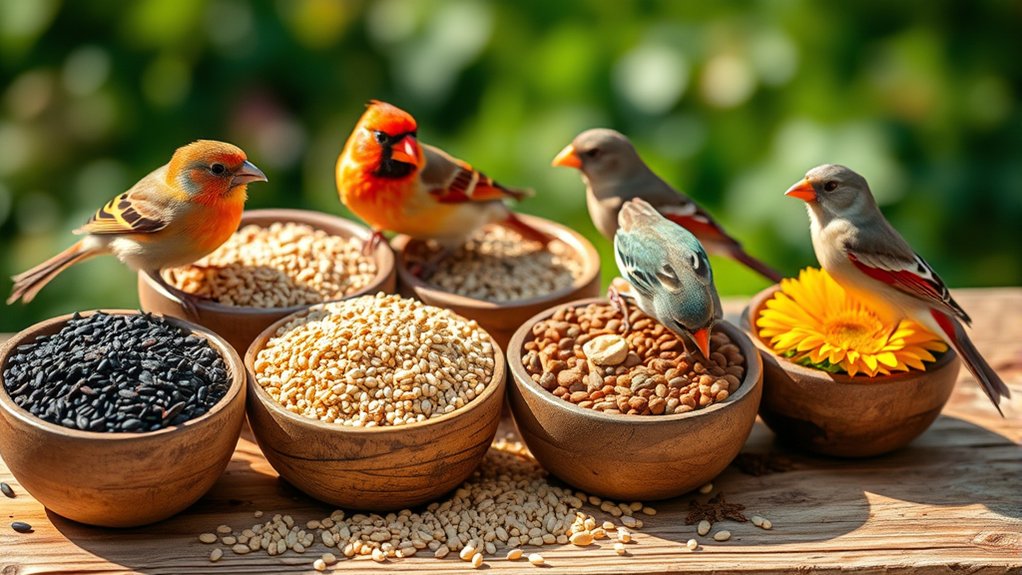
Choosing the right bird seeds not only supports plant growth but also influences which birds visit your feeder. Different seeds attract specific birds, aiding natural seed dispersal and maintaining local ecosystems. By selecting the right mix, you encourage diverse visitors and practice good bird feeding etiquette, ensuring everyone gets a chance to eat.
Here’s a quick guide to how common seeds attract birds:
| Seed Type | Attracted Birds | Notes on Seed Dispersal & Etiquette |
|---|---|---|
| Sunflower | Cardinals, Chickadees | Easy to handle; promotes natural spread |
| Millet | Sparrows, Doves | Small seeds; avoid overcrowding feeders |
| Nyjer (Thistle) | Finches, Siskins | High oil content; use special feeders |
| Safflower | Grosbeaks, Woodpeckers | Less attractive to squirrels; good for seed dispersal |
Choosing seeds mindfully helps you enjoy birdwatching while supporting their natural behaviors.
Bird Seeds for Your Local Birds
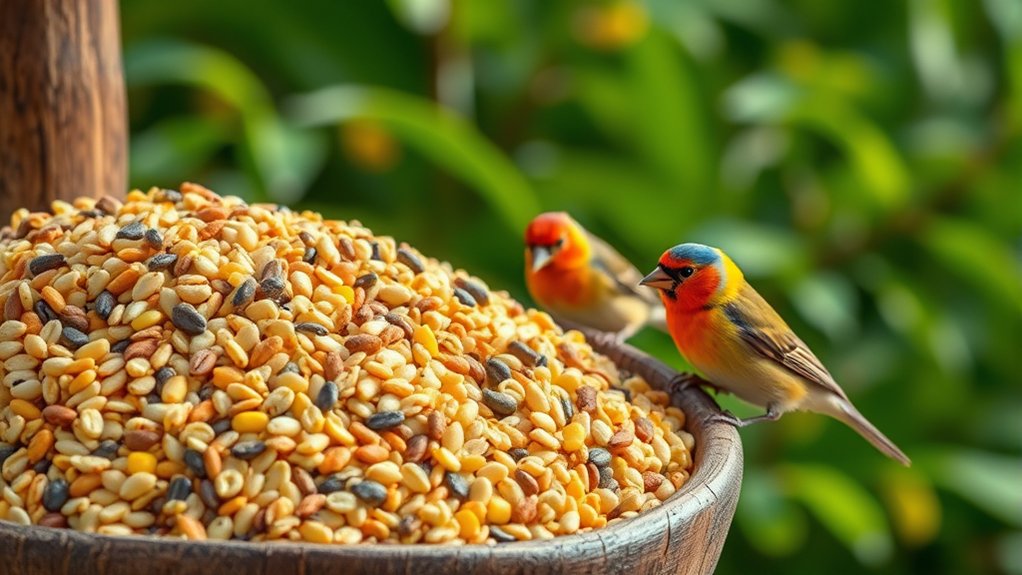
When you want to attract local birds, selecting seed mixes tailored to your area makes all the difference. Different regions host different species, each with unique preferences. Research which birds frequent your neighborhood and choose seeds that match their diets.
For example, sunflower seeds attract many songbirds, while nyjer is popular with finches. Using the right feeding techniques can help you maximize your success. Scatter seeds on platform feeders or use tube feeders designed for specific seed types to reduce waste and mess.
Remember bird feeding etiquette: keep feeders clean to prevent disease and avoid overfeeding to encourage natural foraging behavior. Rotate seed types seasonally to support migratory and resident birds alike.
Nutritional Benefits of Common Bird Seeds
You’ll find that different bird seeds pack key nutrients like proteins, fats, and vitamins that support various bird species. It’s pretty interesting how each type of seed offers something special. Knowing which seeds provide the right benefits really helps you attract and nourish the birds in your area. So, let’s take a closer look at how common seeds meet the unique dietary needs of different birds.
Key Nutrients in Seeds
Although birds have diverse dietary needs, understanding the key nutrients in seeds helps you pick the right mix to support their health. Seeds provide essential fats, proteins, and carbohydrates that fuel birds’ daily activities and aid in seed dispersal by encouraging feeding and movement.
For example, sunflower seeds are rich in healthy fats and protein, promoting energy and feather growth. Millet offers carbohydrates and some protein, essential for quick energy bursts. Seeds like nyjer contain oils that boost bird nutrition and support brain function.
Benefits for Different Birds
Understanding the nutrients in seeds sets the stage for choosing mixes that cater to the specific needs of different bird species. When you select bird seed blends tailored to your local birds, you provide essential proteins, fats, and vitamins that support their health and energy.
For example, sunflower seeds offer high-fat content favored by cardinals and finches, while millet suits ground-feeding sparrows and doves. Offering the right seeds encourages natural seed dispersal, helping plants and ecosystems thrive.
Furthermore, diverse blends attract a wider variety of birds, enriching your birdwatching experience and supporting ecological balance. By matching seed types with bird preferences, you promote ideal nutrition and contribute to sustaining bird populations in your area.
Choosing wisely makes feeding birds rewarding for both you and them.
How to Pick the Right Bird Seed Mix
When choosing the right bird seed mix, consider the types of birds you want to attract and their specific dietary needs. Different birds prefer different seeds, so tailoring your mix helps guarantee the right visitors show up. For example, finches love nyjer, while cardinals prefer sunflower seeds.
To keep your seed fresh and nutritious, focus on seed preservation. Store it in a cool, dry place and use airtight containers to prevent mold and pests. Old or damp seed can harm birds and waste your money.
Practice good bird feeding etiquette by offering a clean feeding area and regularly removing uneaten seed. Avoid mixes with fillers like red millet, which many birds ignore. Instead, choose quality seeds that attract your target species without encouraging pests. By selecting the proper mix and maintaining your feeder, you’ll support local wildlife while enjoying vibrant bird activity year-round.
When to Use Single Seeds vs. Seed Mixes
You’ll want to choose single seeds when you’re targeting specific bird species because they often prefer one type of seed. On the other hand, seed mixes offer variety, which attracts a wider range of birds to your feeder. So, understanding which birds you want to attract will help you decide when to use singles or blends.
Benefits of Single Seeds
Although seed mixes offer variety, single seeds provide clear benefits that can make them the better choice in certain situations. When you use single seeds, you control exactly what birds eat, promoting healthier feeding habits and respecting bird feeding etiquette.
For example, black oil sunflower seeds attract a wide range of birds and support natural seed dispersal, helping local plants grow. Single seeds also minimize waste since birds tend to eat their preferred seeds fully, reducing leftover shells and debris.
If you want to target specific bird species or avoid unwanted ones, single seeds give you that precision. Plus, they’re easier to store and handle. So, when you want focused feeding or support local ecosystems through seed dispersal, single seeds often outperform mixed blends.
Advantages of Seed Mixes
While single seeds offer targeted benefits, seed mixes bring their own set of advantages that can improve your bird feeding experience. They provide variety, attracting a wider range of birds and supporting natural behaviors like seed dispersal and bird grooming.
Mixing seeds also encourages birds to select and forage, promoting their health and activity.
| Advantage | Benefit |
|---|---|
| Variety | Attracts diverse bird species |
| Seed dispersal | Helps plants spread naturally |
| Bird grooming | Encourages preening and cleaning |
| Nutrition balance | Offers a mix of nutrients |
Use seed mixes when you want to support multiple bird species and natural behaviors. Single seeds work best for specific bird preferences or dietary needs.
Matching Seeds to Birds
Choosing between single seeds and seed mixes depends largely on the types of birds you want to attract. If you’re targeting specific species, single seeds often work best since each bird prefers certain seeds that match their beak shape and bird digestion abilities.
For instance, finches thrive on nyjer seeds, which suit their digestion and encourage effective seed dispersal. On the other hand, seed mixes appeal to a broader range of birds, offering variety and attracting multiple species at once.
Keep in mind that some birds may pick through mixes for their favorite seeds. So if you notice waste, switching to single seeds can reduce mess and improve feeding efficiency.
Understanding bird digestion and seed dispersal helps you tailor your choice, ensuring you provide the right nutrition while promoting local plant growth.
How Seed Quality Affects Bird Health and Visits
Because birds rely heavily on the nutrients in their seeds, the quality of the mix you provide directly impacts their health and how often they visit your feeder. High-quality seeds offer essential nutrients that support strong immune systems, energy for daily activities, and successful bird migration.
When you feed birds nutritious seeds, you not only help them thrive but also encourage frequent visits to your yard.
Poor-quality seeds, on the other hand, may be stale or moldy, leading to malnutrition or illness, which can reduce bird visits. Moreover, healthy birds contribute to seed dispersal, spreading plants and supporting local ecosystems.
How to Buy and Store Bird Seeds
To assure your feathered visitors stay healthy and enthusiastic to return, you need to buy fresh, high-quality seeds and store them properly. When shopping, check the packaging date to ensure freshness. Avoid old, dusty bags. Look for seed mixes with no fillers or mold, and buy from reputable sellers who specialize in bird feed.
Keep buying tips in mind: purchase only what you can use within a few weeks to maintain freshness.
For effective seed storage, keep your bird seeds in a cool, dry place away from direct sunlight. Use airtight containers to prevent moisture, pests, and mold growth. Avoid storing seeds in garages or sheds where temperature fluctuations occur.
Regularly inspect stored seeds for signs of spoilage and discard any that smell off or look discolored. Proper seed storage preserves nutrient quality and prevents waste, ensuring your backyard birds get the best nourishment every time.
Adjusting Your Bird Seed Mix for Seasonal Changes
As the seasons change, your bird seed mix should change too. This way, it matches the shifting seed preferences and nutritional needs of your feathered friends.
In colder months, you’ll want to offer energy-rich seeds to help birds stay warm and active. Then, when the weather warms up, lighter seed options work best.
Making these adjustments keeps your birds healthy and happy all year round. It’s a simple way to give them exactly what they need, whenever they need it.
Seasonal Seed Preferences
When the seasons change, so do the feeding habits of many bird species. You’ll notice that migratory patterns influence which birds visit your feeder and what seeds they prefer.
In spring and summer, birds focused on nesting habits need high-energy seeds like sunflower and safflower to fuel their activities. As fall approaches, migratory birds passing through favor oil-rich seeds to build fat reserves for their long journeys.
During winter, resident birds rely on seeds that provide sustained energy, like millet and cracked corn, to survive colder temperatures. By adjusting your seed mix to align with these seasonal preferences, you’ll attract a wider variety of birds year-round and support their changing needs effectively.
Keep an eye on local bird activity to fine-tune your mix each season.
Nutritional Needs Variation
Although birds’ nutritional needs shift throughout the year, you can support their health by adjusting your seed mix accordingly. Different seasons bring varying energy demands, so tailoring your mix helps meet these changing needs.
When planning your bird feeding schedules, consider these key points:
- Increase high-fat seeds like sunflower in winter to boost energy and warmth.
- Add more fruits and softer seeds in spring and summer for hydration and protein.
- Rotate seeds regularly and practice proper seed storage to maintain freshness and nutritional value.
Common Mistakes to Avoid When Choosing Bird Seeds
Choosing bird seeds might seem straightforward, but many people fall into common pitfalls that can reduce the enjoyment of birdwatching and even harm the birds. One mistake is ignoring seed coating. Some seeds have chemical coatings that can be harmful or unappealing to certain bird species. Always check labels and opt for natural, untreated seeds.
Another error is poor bird seed storage. Moisture and pests can spoil seeds, leading to mold growth that endangers birds’ health. Store seeds in airtight containers in a cool, dry place to maintain freshness and safety.
Furthermore, don’t pick a seed mix solely based on price or appearance. Consider the specific birds in your area. Avoid mixes with fillers like red millet or cracked corn if those birds don’t eat them. It leads to waste and less feeding activity.
Frequently Asked Questions
Can Bird Seeds Attract Unwanted Pests or Animals?
Yes, bird seeds can attract unwanted pests or animals, especially if you’re not careful with pest prevention. Seeds that spill on the ground often attract rodents like mice and rats, making your yard less pleasant.
To avoid attracting rodents, you should choose mixes that birds love but pests don’t, and clean up spilled seeds regularly. Using feeders designed to minimize seed spillage also helps keep pests away.
How Do Weather Conditions Affect Bird Seed Longevity?
Ever wondered why your bird seed sometimes goes bad quicker than expected? Weather conditions play a huge role in seed storage and longevity.
If you live in a humid climate, moisture can cause seeds to mold or sprout, ruining the mix. Extreme heat can also degrade seed quality. So, you’ve got to take into account climate when storing bird seed. Keep it cool, dry, and sealed to make sure your feathered friends get fresh food every time.
Are There Eco-Friendly or Sustainable Bird Seed Options?
Yes, you can find eco-friendly bird seed options that make a positive impact. Look for sustainable seed varieties like millet, sunflower, and safflower grown with minimal pesticides.
Also, choose brands that use eco-friendly packaging, such as biodegradable or recyclable bags. By selecting these options, you’ll support environmental health while providing nutritious food for your feathered friends, making your bird feeding habits more responsible and green.
Can Bird Seeds Cause Allergies in Humans or Pets?
Yes, bird seed allergies can affect you and your pets, especially if you have pet sensitivity to certain seeds or dust. Handling bird seed might trigger sneezing, skin irritation, or respiratory issues.
To minimize risks, you should choose low-dust mixes and store seeds properly to avoid mold. Always monitor your pets for any allergic reactions, and consult a vet if you suspect bird seed allergies in your four-legged companions.
How Often Should Bird Feeders Be Cleaned to Prevent Disease?
You should clean bird feeders at least once every two weeks to prevent disease. If you notice moldy seed or droppings, clean them immediately. Proper seed storage is essential to avoid contamination that can harm birds.
Also, consider bird diet preferences when choosing seeds, as some birds attract pests if seeds aren’t fresh or suitable. Regular cleaning keeps feeders safe and inviting, ensuring healthy birds and reducing illness risk.
Conclusion
Now that you know what bird seeds are made of and how to choose the right mix, are you ready to attract more feathered friends to your yard? Picking the right seeds means happier, healthier birds and more enjoyable birdwatching for you.
Remember to take into account local species, seed quality, and seasonal changes to keep your feeders inviting all year round. With a little care, your birdseed choice will make a big difference in creating a welcoming environment for birds. Choosing the right bird seeds is key to supporting your local wildlife and enhancing your outdoor space.